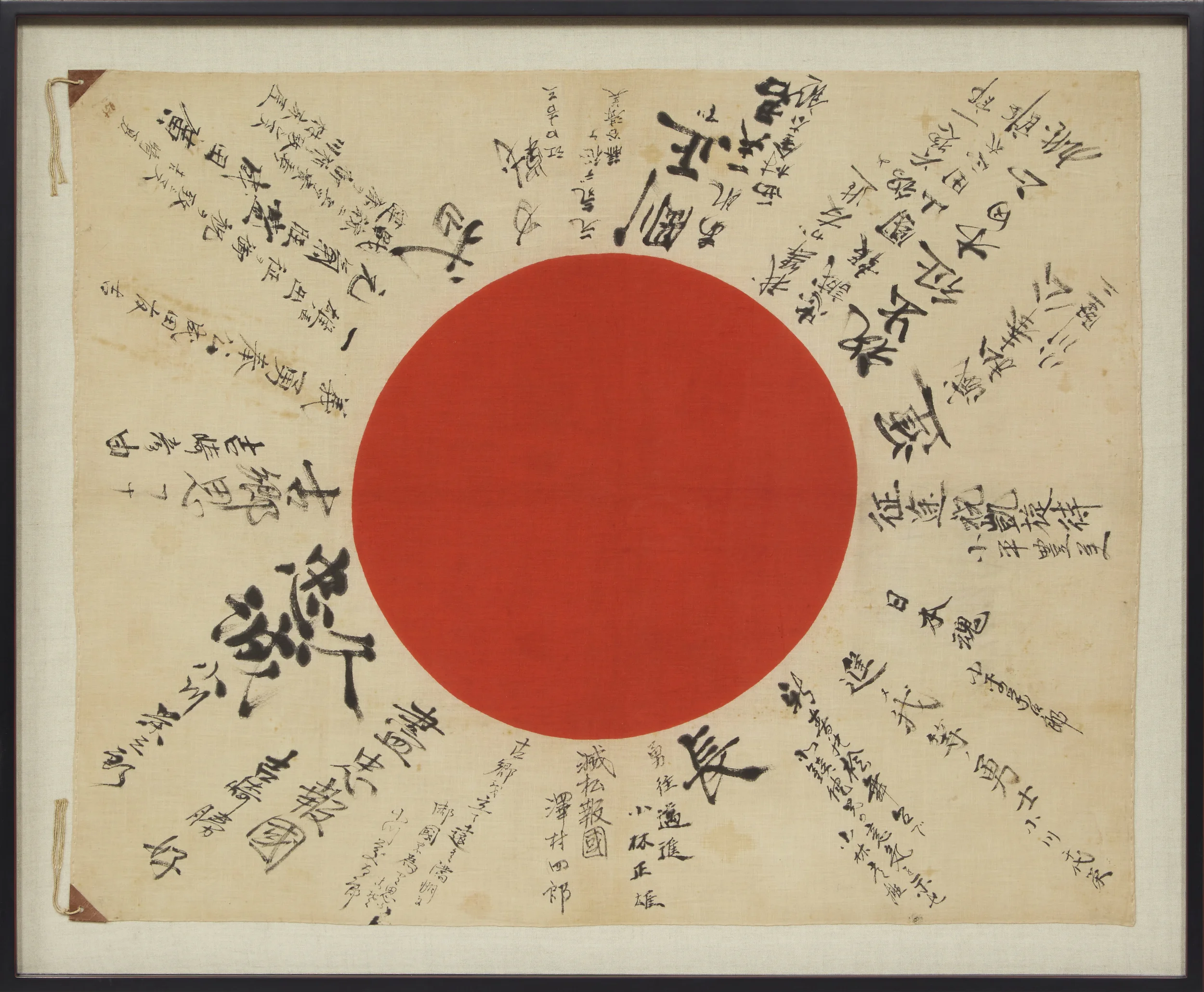
Made of delicate fibers, folded, and carried in the pockets of soldiers, Japanese “good luck flags”, commonly known in Japan as yosegaki hinomaru, were parting gifts for soldiers deployed into battle. These flags are evidence of a long standing tradition among Japanese servicemen. The Japanese National Flag, commonly known in Japan as hinomaru, was used to facilitate these messages of prayers and well-wishes from loved ones, so that the soldier could endure the difficult times ahead; yosegaki, refers to the gathered writing, often inscribed in a pattern radiating from the center of the flag. A yosegaki hinomaru experienced only a fraction of the harrowing perils of war experienced by the soldiers who carried them to the front lines. It is remarkable that these flags have survived to continue the story of the soldiers who brought them into battle.
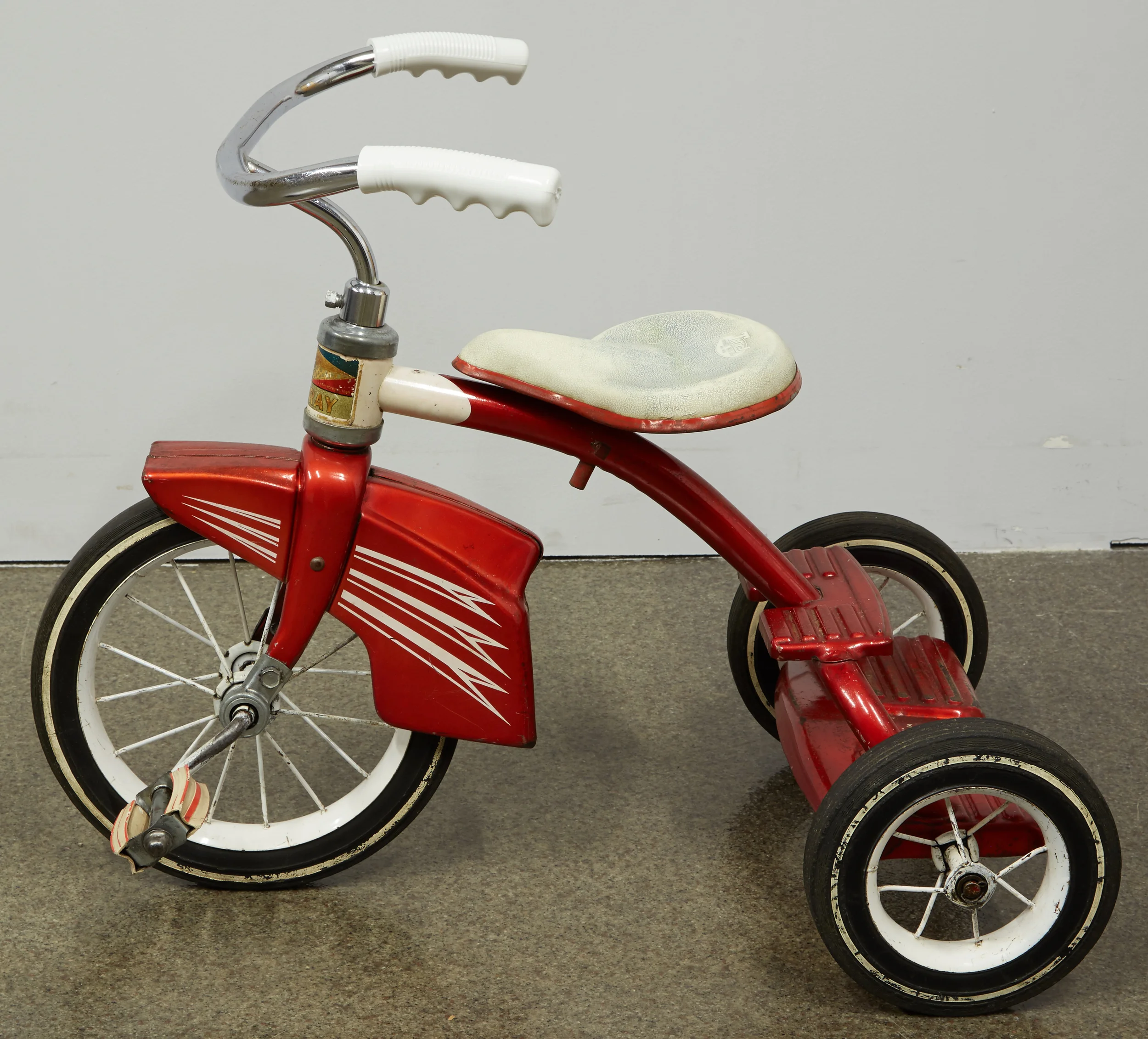
The Christmas Tricycle
As we move through the holiday season, our focus turns to family dinners, quiet snowfalls, and the joyful challenge of finding the perfect gift; the gift that will be treasured for years to come. And when the years take their toll on those items, we here at The Conservation Center consider it a special privilege to help in preserving those family treasures. This holiday season, we share with you an item brought to The Center by Mary, who reached out to see if it would be possible to restore one of her favorite childhood Christmas gifts: a circa 1964 Murray tricycle.
A Stitch in Time
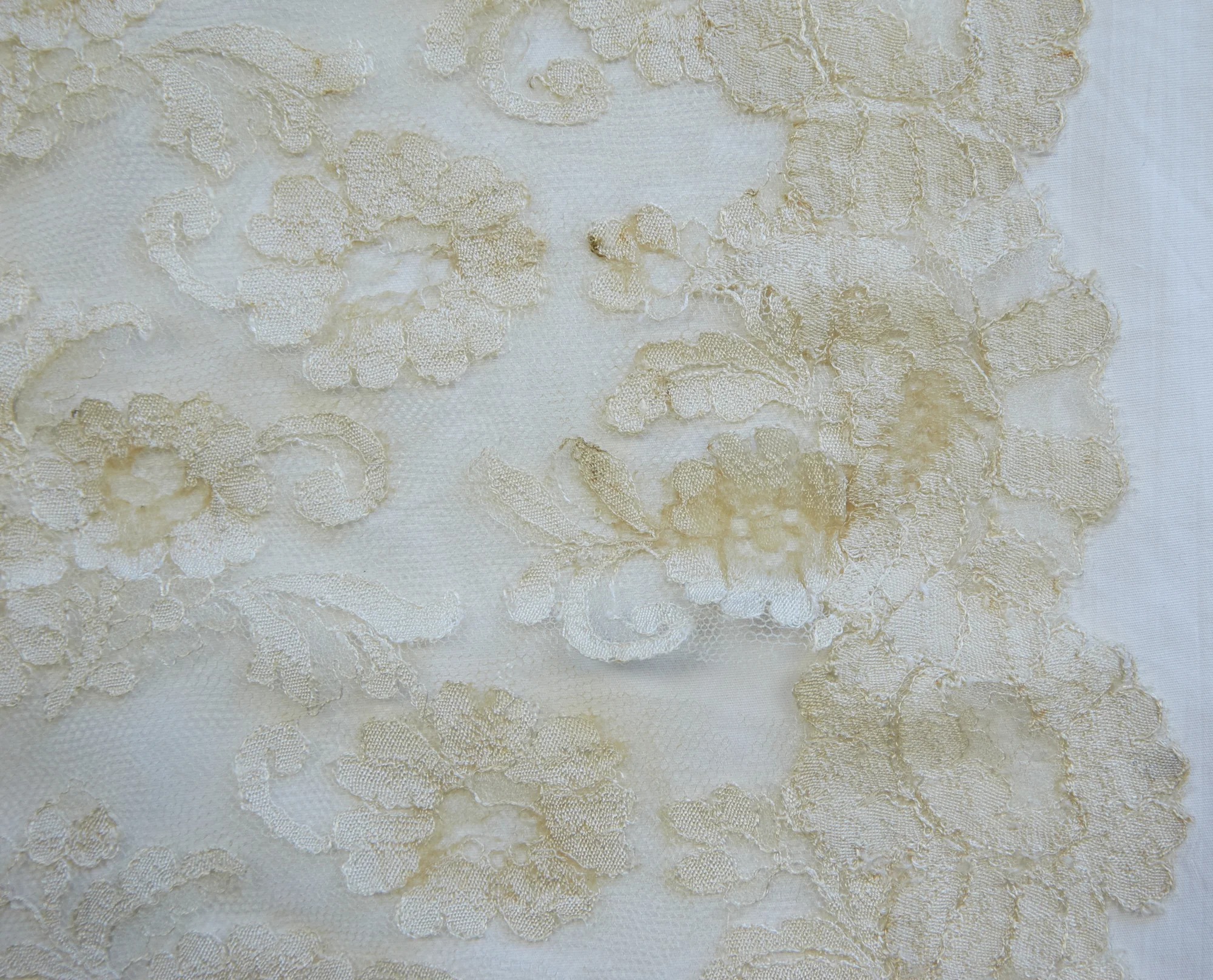
When extraordinarily fragile pieces are treated by The Center, often the conservators recommend handling the pieces as little as possible to preserve their longevity. So when Gloria Diaz brought in a delicate lace mantilla and expressed that she would like it to be functional for future ceremonies, we knew we had our work cut out for us.
At the time Gloria brought in her mantilla, it had been used by three generations in twenty-four weddings, ten baptisms, on “Taking of the Veil,” and one First Communion. Since the lace garment had been both well-loved and well-used, it exhibited inevitable signs of wear. As Gloria noted, “I realized that the mantilla was near the end of its life if we did not do something to improve its condition. Because of its special place in our family, we wanted the mantilla to be something that existing and future generations would use.”
Preserving "Regulations for the Army of the United States, 1913"
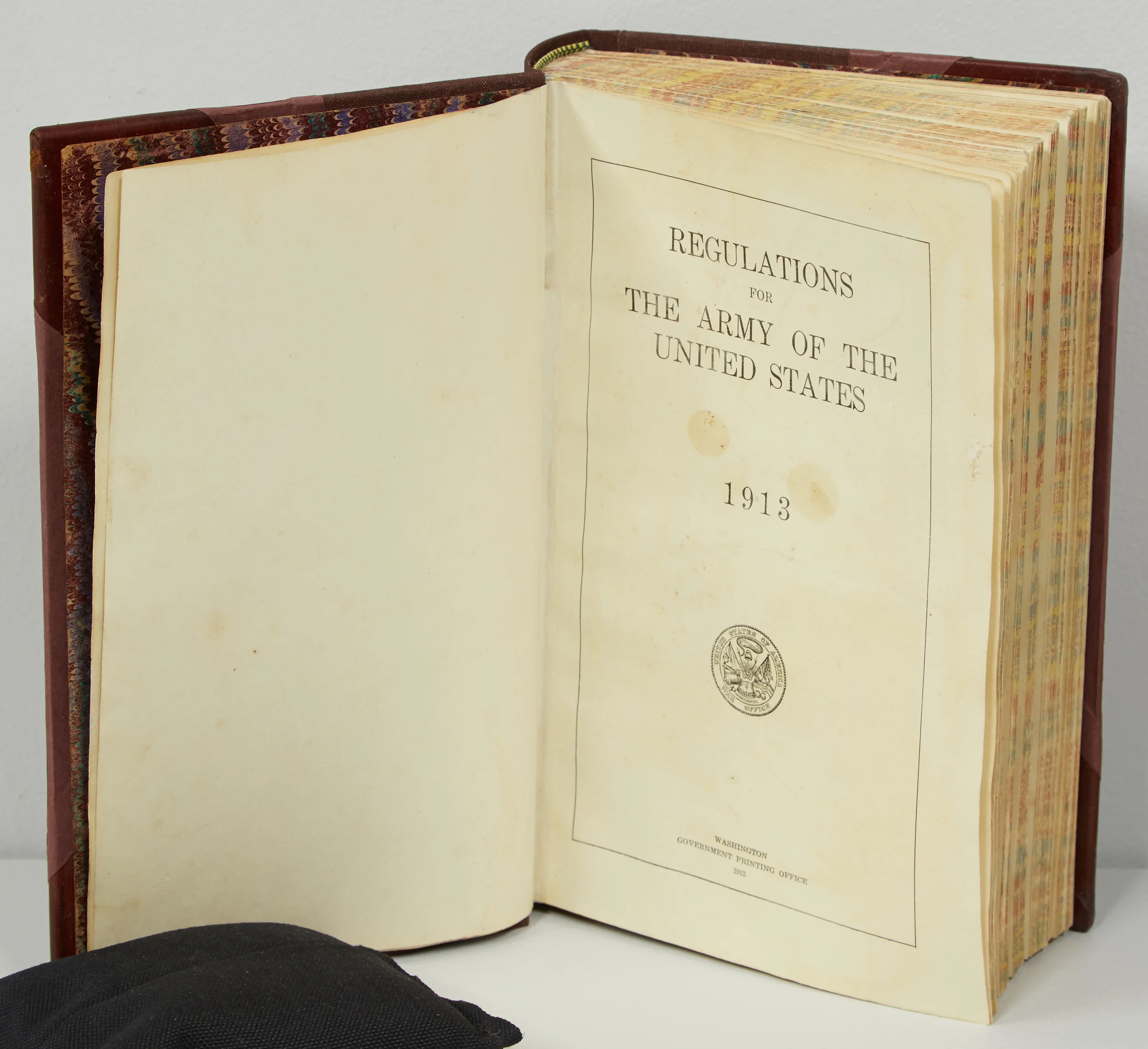
The Conservation Center recently had the pleasure of working with Bill Hartel to treat “Regulations for the Army of the United States,” a 1913 U.S. Army military handbook.
Bill is an avid collector of rare books and acquires those that, in his opinion, “changed the world.” Highlights of his collection include a 1776 British first edition of Thomas Paine’s “Common Sense,” complete with handwritten defamatory comments about King George, and “Round the Moon” by Jules Verne, circa 1895, signed by the commander of the first actual voyage around the moon, Frank Borman. Bill is also an author and published the Chicago Tribune Best Seller “A Day at the Park” about Wrigley Field. Given the depth of his collection, a well-worn copy of an army handbook with a missing leather spine, fragile textblock, and water damage may seem like an anomaly. However, the book’s value lies in the role it played during a difficult time in Bill’s life.
How Photo Conservation and Digital Restoration Reawakened a Family's History
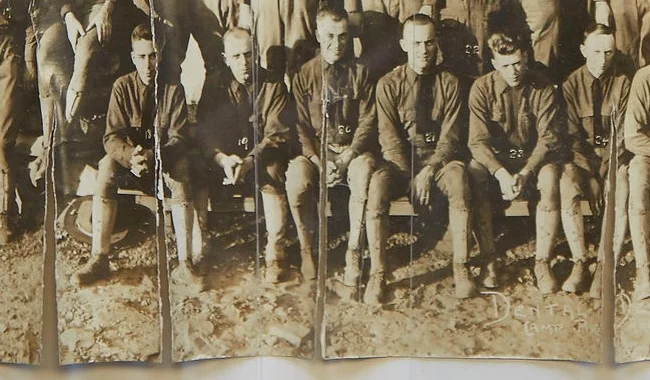
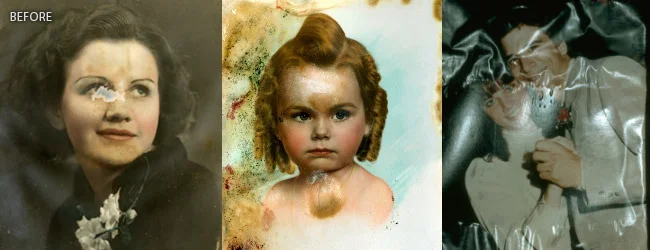
For most people, the top drawers of their bedroom dressers are reserved for mismatched socks, so it was a delightful surprise for Rick Eisenstein to find a 97-year-old photograph rolled up in his father's old dresser drawer. "When he was in the hospital, I was looking for some clothes to take to him and came across this rolled up picture," Rick explained. "His parents were very important to him--with that being said, he was not a very sentimental person and kept very few things from his younger days." This photograph, however was special: his father kept it for nearly 60 years. Rick made a decision to bring the picture to The Conservation Center for examination and conservation.
From Russia With Love: Portrait of a Military Officer
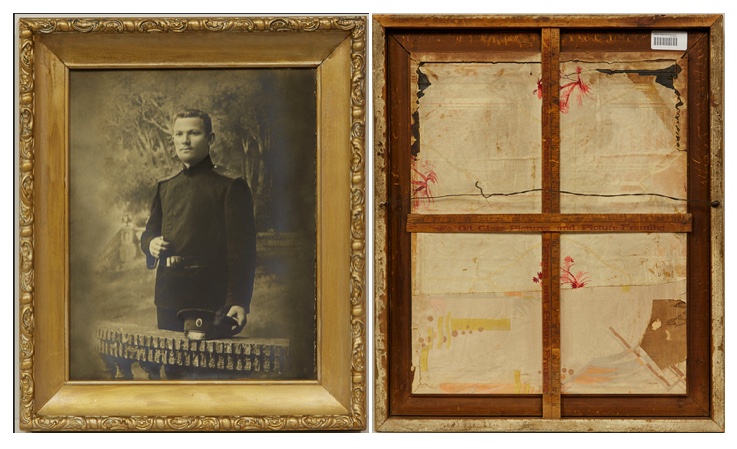
“This is an important piece of our family history,” commented Cindy Egoroff Alexander while discussing a portrait of her grandfather, Emil Egoroff. Cindy and her family recently entrusted The Conservation Center to treat and reframe a black and white photograph of Emil. “We know very little of our grandfather’s life in Russia,” she explained, emphasizing how precious the few details they uncovered were to understanding and remembering her family’s past. Cindy graciously shared the history passed down through the family with our team, shedding light on the story behind this handsome portrait.
The Importance of Heirloom Conservation
One of the misconceptions concerning work performed at an art treatment facility such as The Conservation Center is that an object or a piece of art must have significant value on the market to qualify for professional care. This is simply not the case. While many of our clients have high-end pieces that belong to large-scale collections and museums, our conservators also specialize in treating family antiques and heirlooms that have sentimental value.
Family heirlooms connect generations in a deep, personal way. From the handed down bible and grandmother’s knitted quilt, to a late 1800s baptismal gown and photos of a relative going off to war—anyone who has found or kept historic pieces in the family knows how moving they can be. These treasured items, passed down through the decades, provide insight into the lives of our ancestors and a richer understanding of our family's history.
Piecing Back Together A Family Heirloom, and Learning About The Past
Here at The Conservation Center, we strive to protect and preserve objects that hold intrinsic value to individuals and families, not just monetary value. During treatment, we often uncover forgotten details about a piece, and it can mean so much more to our clients when this information relates to their own family members and heritage. In this way, we approach each and every object with the highest level of care and attention. Recently, Naomi Steinberg, an Associate Professor of Religious Studies at DePaul University in Chicago, brought us a badly torn ketubah that was believed to belong to her paternal grandparent’s. Our conservators were able to meticulously piece this document back together, and through this process, Naomi also uncovered a slice of family history.
The Conservation Center Responds to a Stormy Spring
Blue skies and warmer temperatures had giddy Midwesterners basking in sunshine lately after one of the cruelest winters in recent memory. But spring has also brought stormy weather to the Chicago area, and mother nature unleashed a different kind of misery on local residents: flooding. Many Midwestern cities, including Chicago, have been on guard for excess water that lead to issues such as clogged storm drains. The Conservation Center's Disaster Response team is once again on the ground, reacting to many emergency incidents that have affected personal collections. On a recent triage, more than 15 Conservation Center staff members collaborated to save hundreds of family heirlooms from water damage.
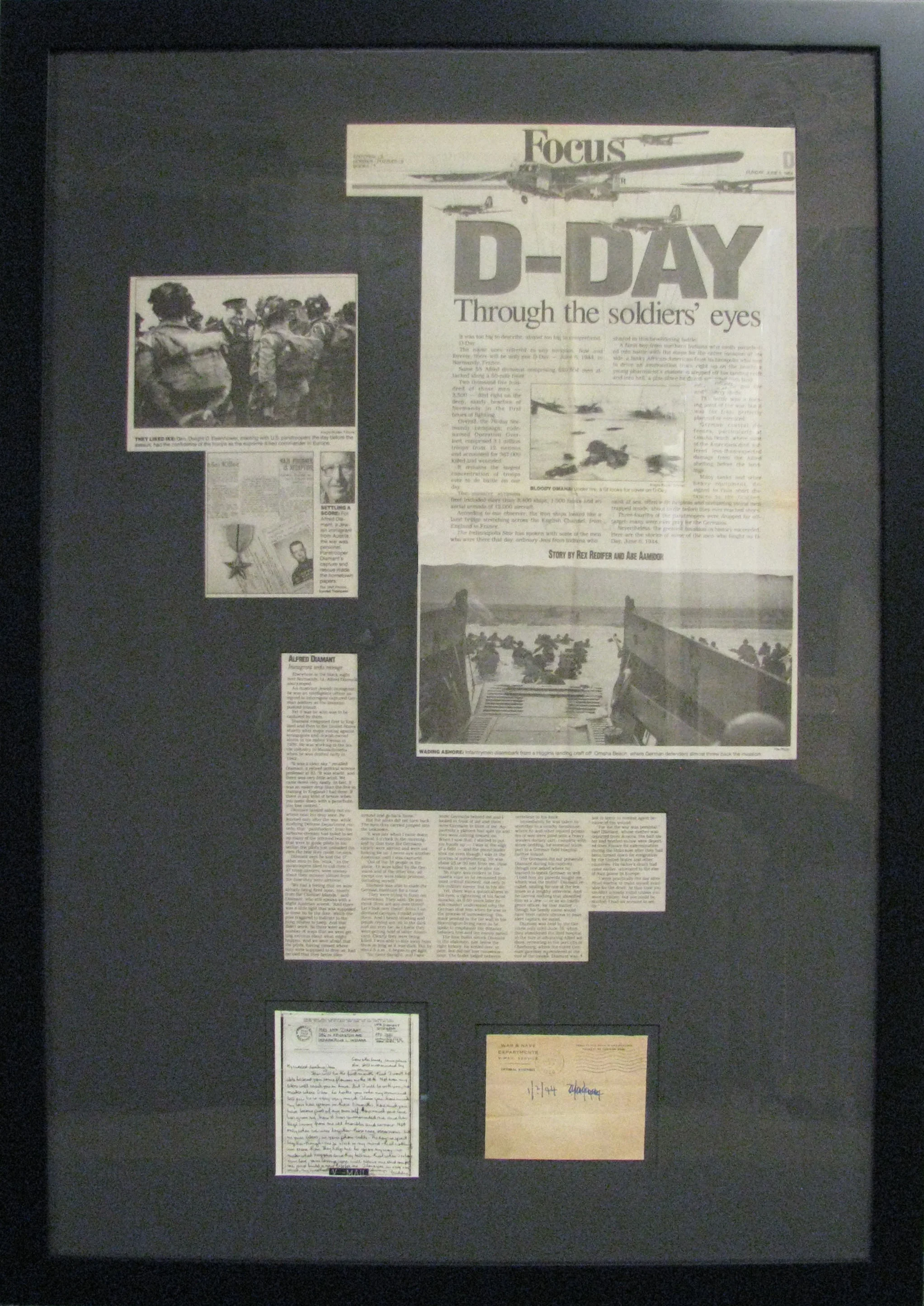
Celebrating a Heroic Father's Legacy
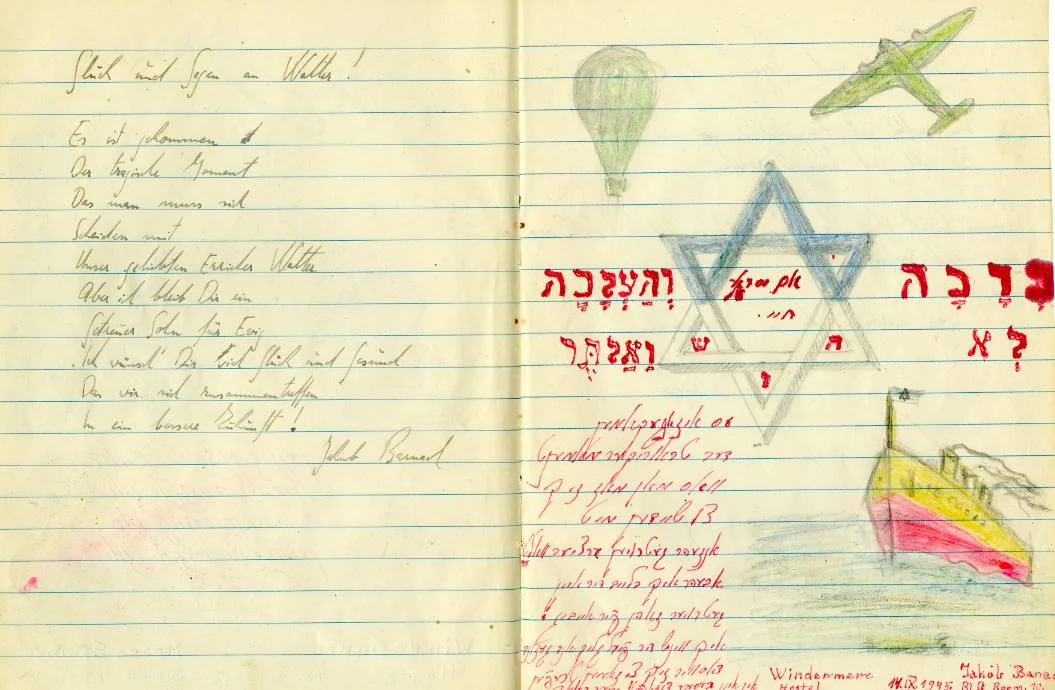
Two Holocaust Journals - A Father's Impact on Children of the War
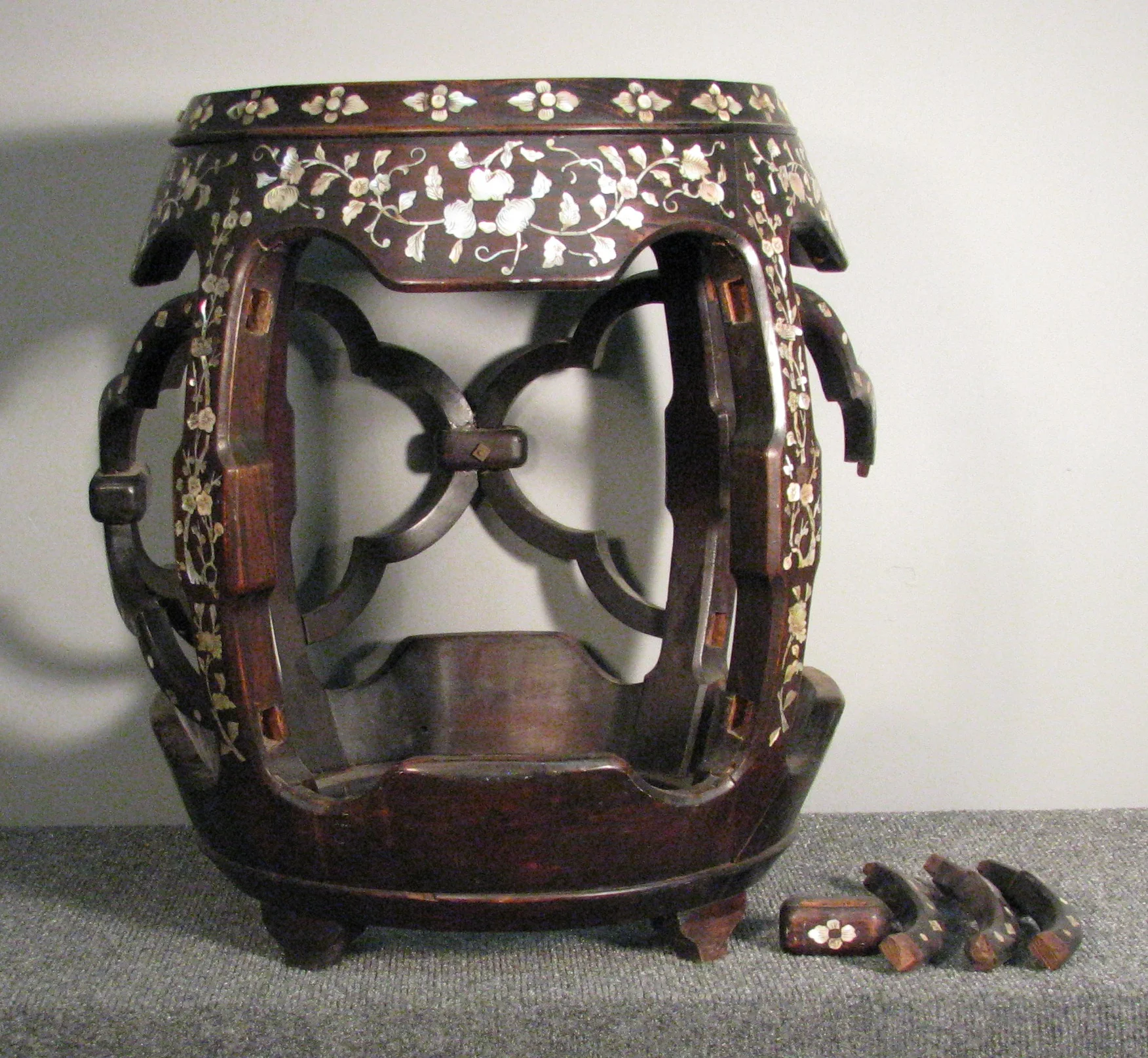
The Occasional Table
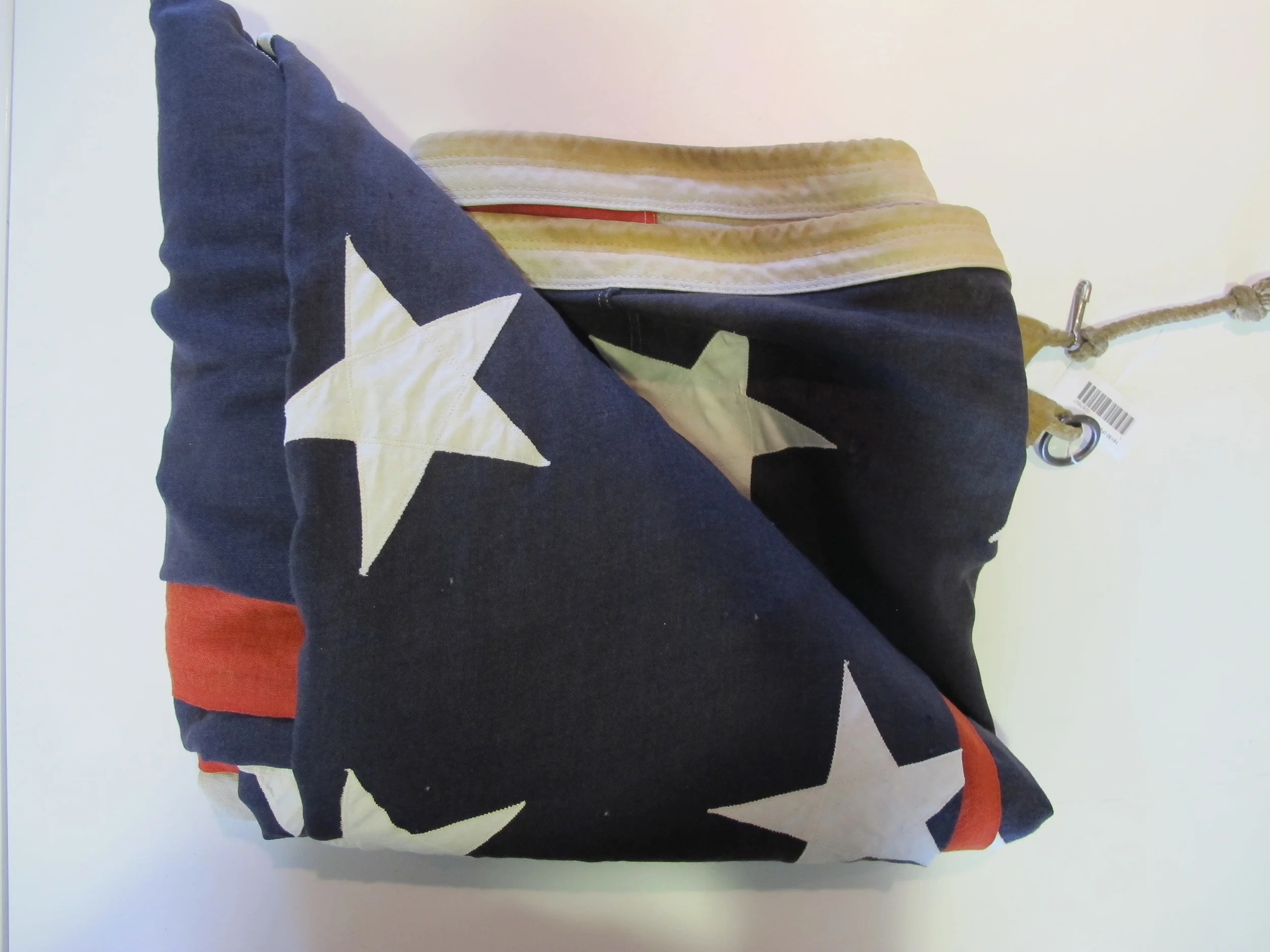
American Flag from the Fauerbach Brewery
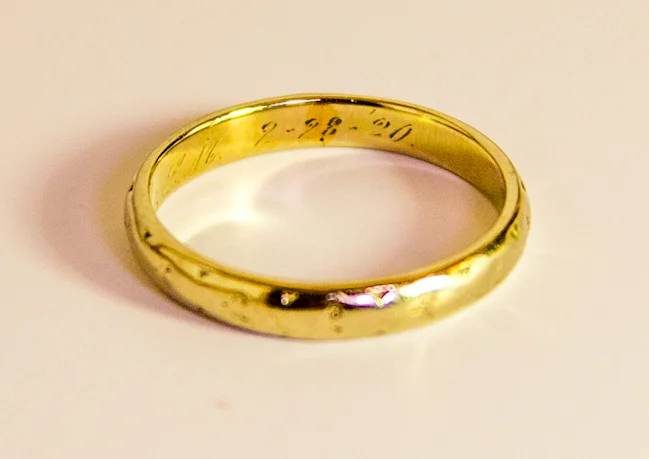
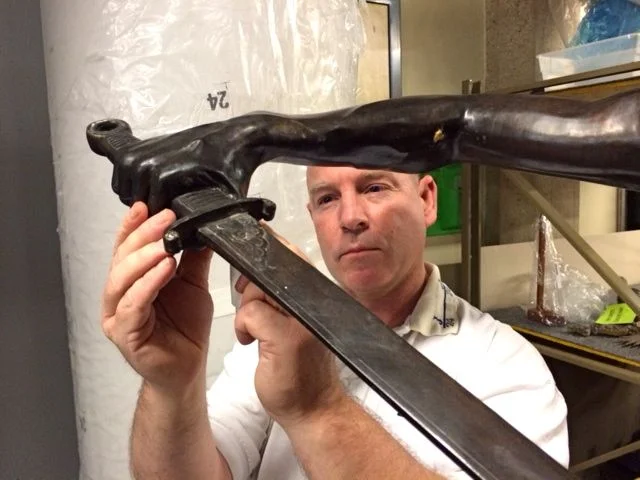
At The Center, we treat items of great worth, historical artistic significance and shared cultural value. But perhaps some the most rewarding work we do is in preserving family heirlooms. These items very greatly from paintings to furniture and can be extremely valuable or purely sentimental, but all hold stories with meaning to the owners. We feel honored to assist families with preserving these items for future generations, and allowing their stories to carry on, and would like to share a recent story from one of our clients.