Conserving the World Within a Thorne Miniature

Conserving the World Within a Thorne Miniature

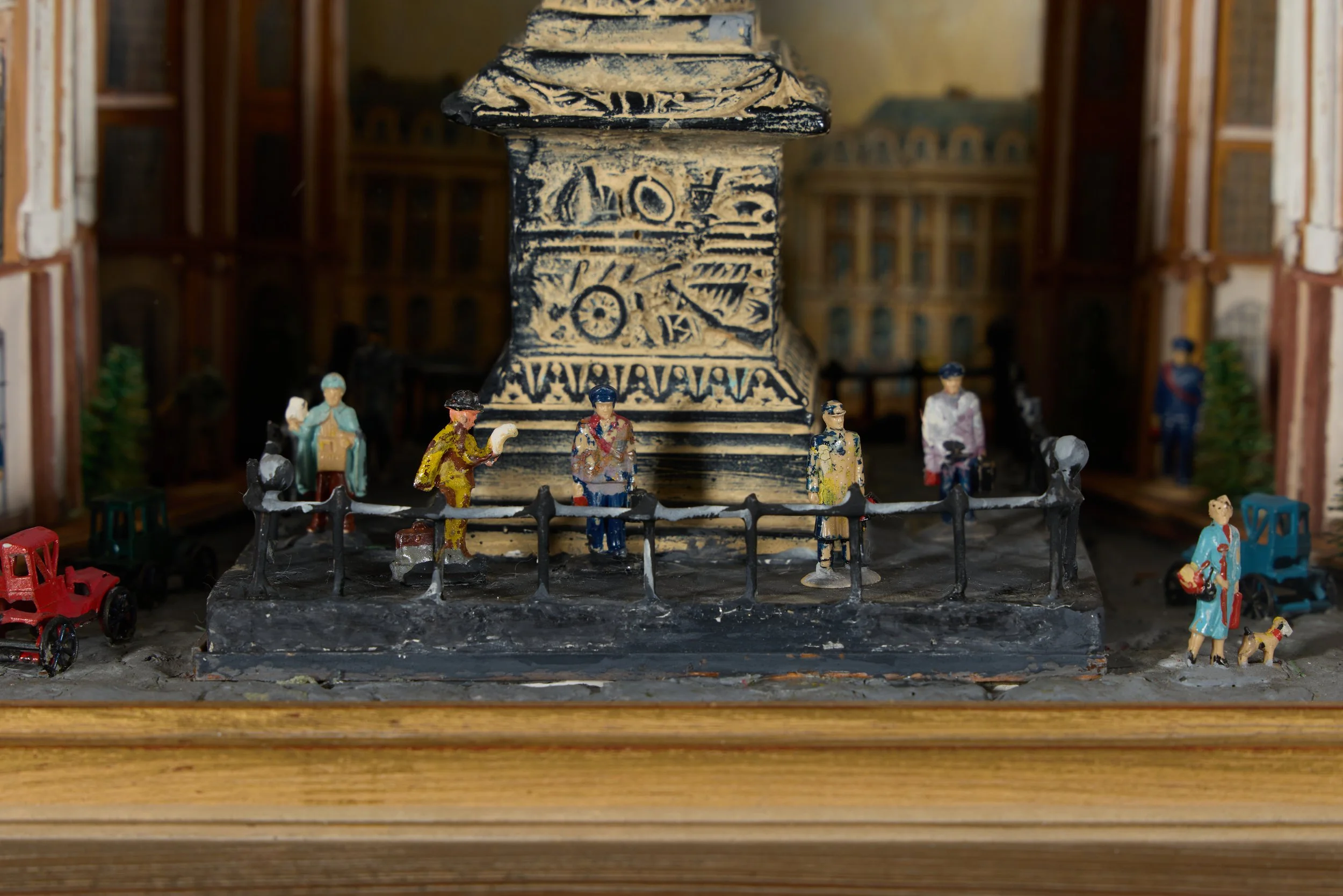
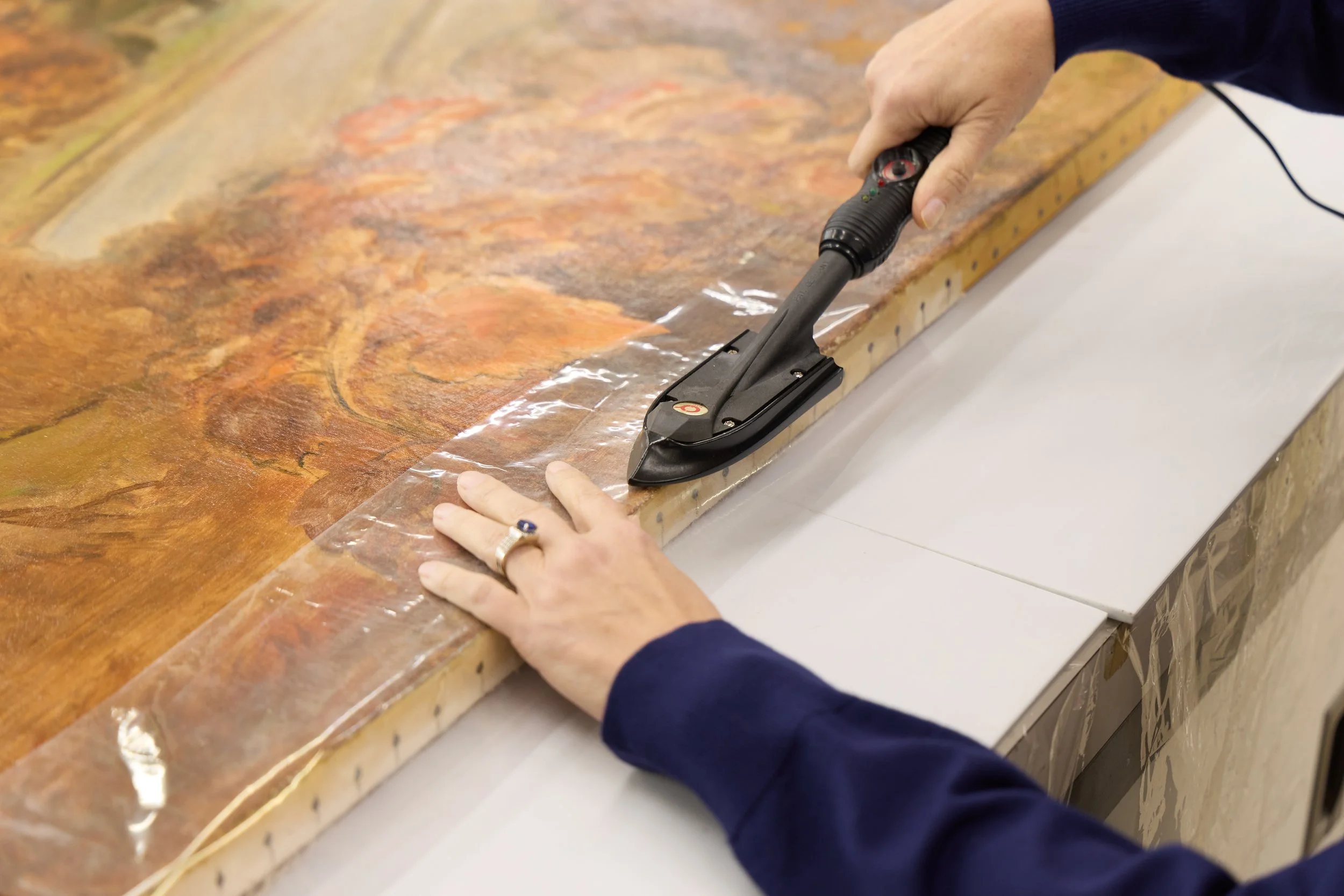
There is something inherently captivating about the world in miniature. Whether it evokes the childlike wonder of a dollhouse, a desire for order and control, or the way a reduced scale sharpens our attention to detail, miniatures invite close looking in a way few other objects can. It’s no secret that we have a particular fondness for them at The Conservation Center (our staff art contest theme offered recent proof), so when a client brought in a remarkable miniature street scene by Narcissa Niblack Thorne, we were instantly charmed. 

Conserving a Super Bowl Legacy

Conserving a Super Bowl Legacy

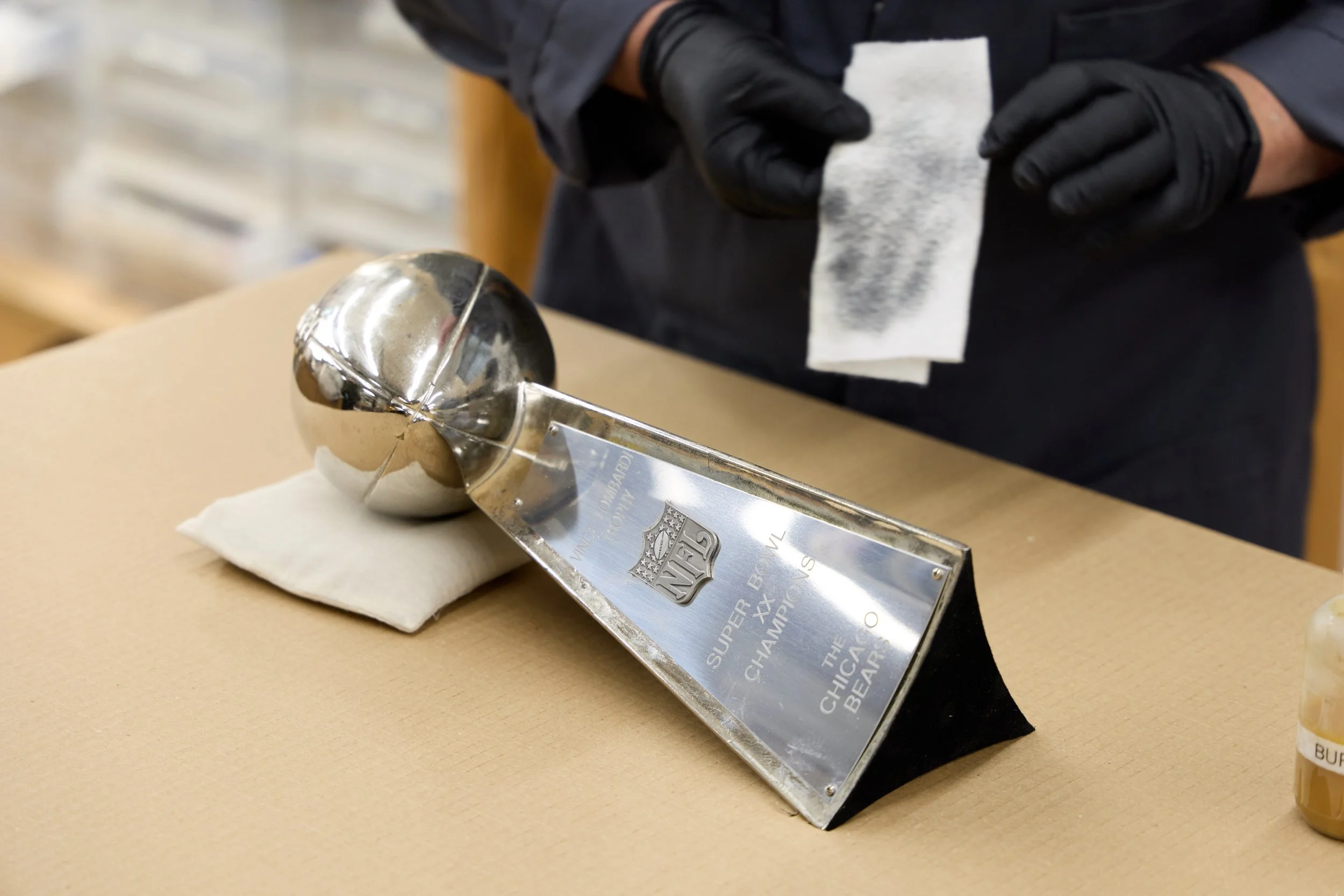
Few objects in American sports carry the symbolic weight of the Vince Lombardi Trophy, awarded to the winning team of the Super Bowl each year. The Conservation Center recently had the honor of treating two commemorative, player-owned versions of the Lombardi Trophy belonging to Chicago Bears legend Gary Fencik. Both objects date to the Bears’ historic 1985 Super Bowl victory and were produced to commemorate that championship season. 

Miniature Marvels from the Annual Staff Art Contest

Miniature Marvels from the Annual Staff Art Contest

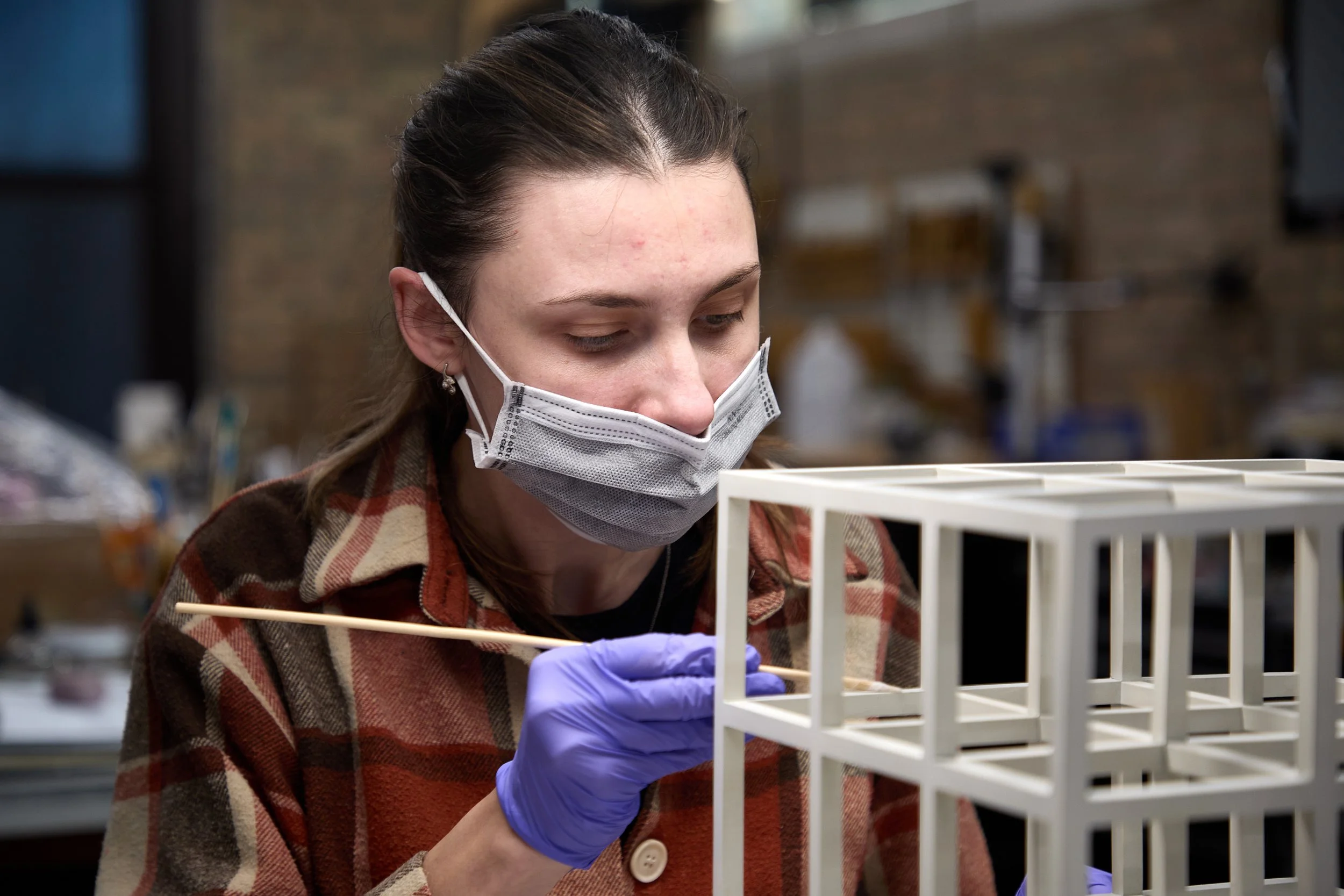
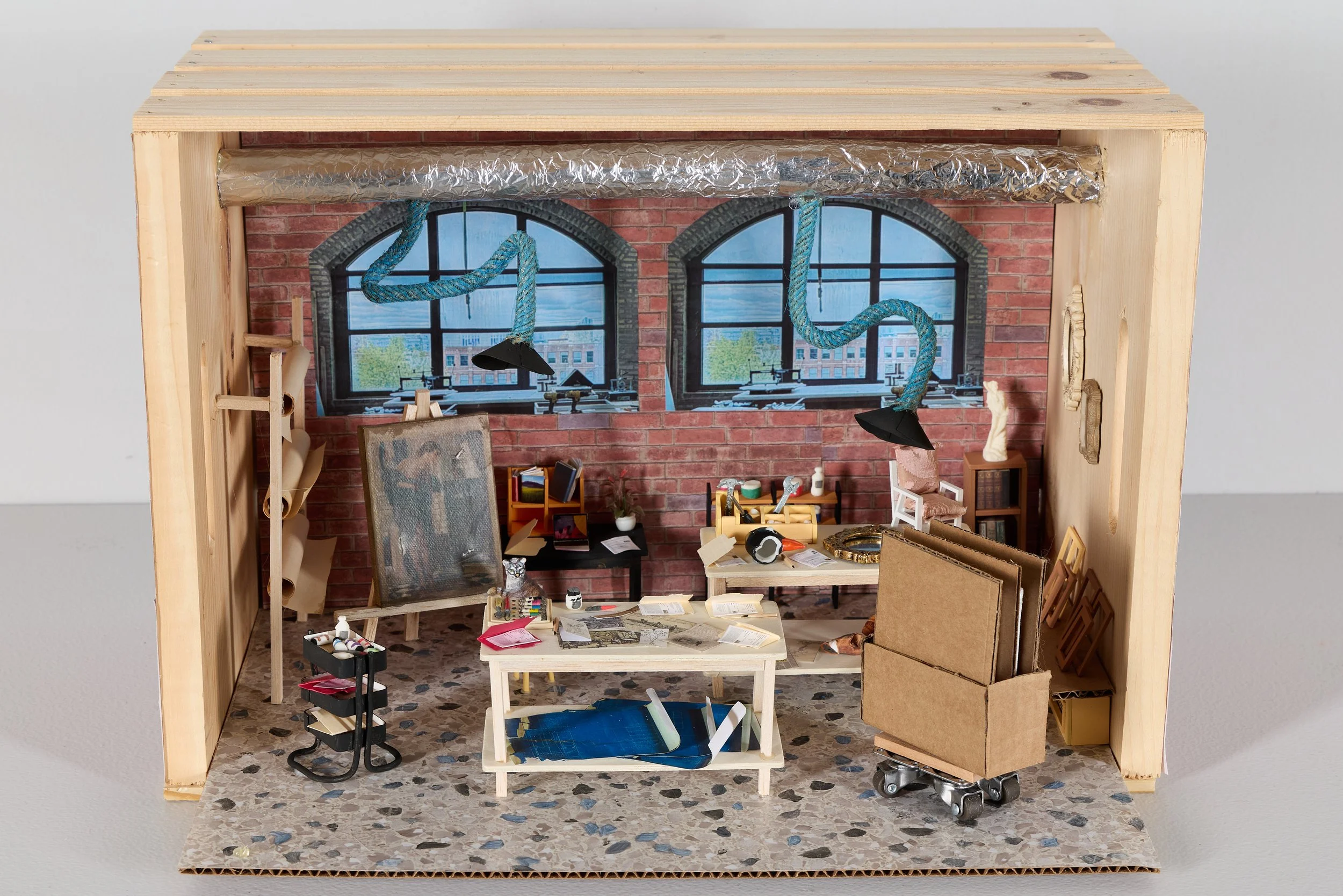
Earlier this month, The Conservation Center held our annual staff art contest, offering a glimpse into the creative practices that so often extend beyond our day-to-day conservation work. Many members of our team are artists, makers, and designers in their own right, and this contest is always a reminder of the breadth of talent and imagination within our walls. We’re delighted to share a selection of this year’s entries!

Part I: Bringing a 200 Year Old Ledger Back to Life

Part I: Bringing a 200 Year Old Ledger Back to Life

This month, we’re taking readers behind the scenes of a remarkable 19th-century ledger from a longstanding corporate collection, an object that has quietly survived nearly two centuries of use, storage, and changing hands. Bound in worn leather and filled with handwritten entries tracking transactions from 1848 to 1852, the ledger is not only a piece of institutional history but a tangible record of the people who kept those early operations running. As more companies recognize the cultural and research value within their archives, projects like this show how conservation protects materials that help tell their story. 

Caring for Curry: A Renewed View of a Madison Landscape

Caring for Curry: A Renewed View of a Madison Landscape

We recently had the honor of treating a painting titled Madison Landscape by John Steuart Curry from the Madison Museum of Contemporary Art ; the painting is part of MMoCA’s permanent collection and will be featured in their upcoming exhibition A Broad Sweep of Sky, which explores how Regionalist artists of the 1930s and 1940s helped define a distinctly American, place-based visual identity. 

"Ask a Conservator Day" Recap 2025

"Ask a Conservator Day" Recap 2025

We were thrilled to join conservation professionals worldwide for Ask a Conservator Day, an annual event held by the American Institute for Conservation each November in remembrance of the 1966 Florence flood. That disaster not only threatened countless works of art but also sparked a global, collaborative effort that helped shape the modern field of conservation. In that spirit, we opened up our Instagram Stories for a day of questions and conversation, sharing a behind-the-scenes look at our work and answering anything our community was curious about.

Layers, Surface, Structure: Treating a Work by John La Huis

Layers, Surface, Structure: Treating a Work by John La Huis

The Conservation Center recently treated a mixed-media painting by Miami-based artist John La Huis, whose practice embraces layered surfaces, diverse materials, and a highly textural approach to mark-making. La Huis often combines oil paint with materials such as resin, fabric, paper, and industrial media, building and reworking his compositions until gestures, textures, and fragments of imagery settle into place.  

Checkmate! Treating Puzzle-Ball Chess Pieces

Checkmate! Treating Puzzle-Ball Chess Pieces

The Conservation Center was recently entrusted to conserve a remarkable set of carved chess pieces, each distinguished by its intricate puzzle-ball finial base and finely detailed figures. These pieces are not only functional objects but also extraordinary works of craftsmanship that reflect a long tradition of skilled artistry and global appreciation for the game of chess. 

Top Drawer Treatment: Conserving a Cabinet-on-Chest

Top Drawer Treatment: Conserving a Cabinet-on-Chest

The Conservation Center recently treated a finely crafted cabinet-on-chest, complete with its original key. Traditionally, a cabinet-on-chest combines a chest of drawers at its base with a smaller cabinet or cupboard above. Distinguished by its glazed doors, veneered surfaces, and turned details, this example once served not only as practical storage but also as a showcase of craftsmanship in the home. 

A Glimpse into Rubens’ Intimate World

A Glimpse into Rubens’ Intimate World

Peter Paul Rubens, Flemish (Siegen, Westphalia 1577 - 1640 Antwerp, Belgium) one of the great masters of the Flemish Baroque, is celebrated for his vibrant, dynamic compositions and masterful portrayal of the human figure. Among his more personal works are depictions of domestic life, including his famous Honeysuckle Bower, which portrays Rubens and his first wife, Isabella Brant, in a private, tender moment beneath a trellis of honeysuckle. This engraving, created by Carl Ernst Christoph Hess, German (1755 - 1828) after Rubens’ original, translates that intimate domestic scene into the precise language of printmaking. The careful linework and subtle shading preserve the warmth of Rubens’ composition while making it accessible to collectors and institutions alike. 

A Collector’s Discovery: Conserving a Luigi Olivetti Seascape

A Collector’s Discovery: Conserving a Luigi Olivetti Seascape

While browsing an antique store, our clients came across a painting that immediately drew their attention. The scene had an undeniable sense of calm and atmosphere, even though age had obscured much of the artist’s intent. Following the advice of their interior decorator and trusting that something remarkable was beneath the surface, they brought the work to The Conservation Center for treatment. 

CONTACT US
312.944.5401