
Hello Pretty "Yellow Lady": Shedding Light on an Ed Paschke Painting

Hello Pretty "Yellow Lady": Shedding Light on an Ed Paschke Painting

Well before Matt Groening’s Marge Simpson character became pop icon, artist Ed Paschke (1939–2004) created his own version of a Yellow Lady in 1969. In the same way that the bizarre appearances and situations as depicted in “The Simpsons” comment on pop culture, Paschke’s manipulations of mass media aim to do the same. The technicolor tones and flat background aim to dissociate the woman from her body and her surroundings; the addition of the admiring man takes on the role of the consumer and the viewer, aiming to make the voyeur uncomfortable. While only minor conservation was needed for this vibrant painting, the private collector knew very little about its history, causing us to reach out to the Ed Paschke Foundation and even the artist’s daughter, Sharon Paschke. Neither was familiar of the piece’s existence, and Sharon, especially, was excited to see a new example of her father’s early work. In order to discover more about this very special Yellow Lady, we studied the canvas under ultraviolet light and found some surprising details. With these new findings, The Conservation Center was able to shed new light on this painting for its owner as well as the Paschke family. 
Farnsworth House Wardrobe Damaged by Flood Waters Restored at The Center

Farnsworth House Wardrobe Damaged by Flood Waters Restored at The Center

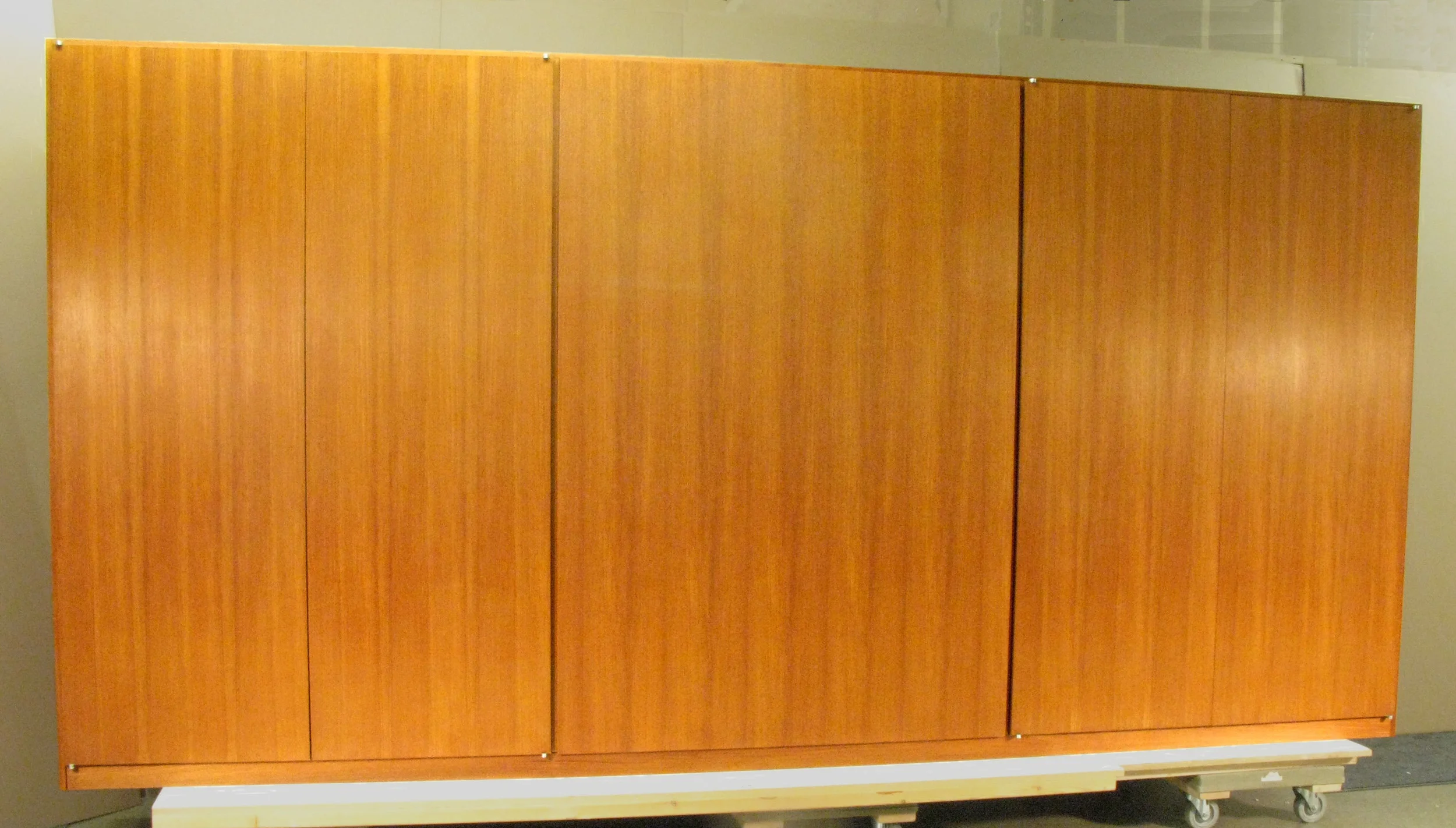
The Farnsworth House located in Plano, Illinois experienced a devastating flood in 2008. The Conservation Center was contacted and our team was sent to safely remove the wardrobe during restoration of the house. It remained secure in our fine art storage facility until conservation treatment was approved.

The Conservation of a Civil War Painting for Southern Illinois University

The Conservation of a Civil War Painting for Southern Illinois University

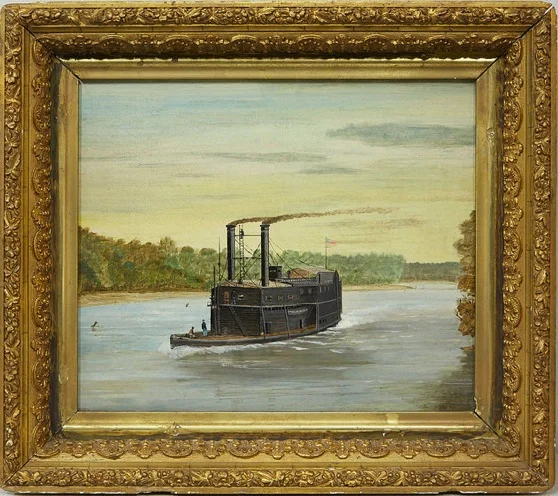
This year marks the 150th anniversary of the end of The Civil War. Like any thread in the fabric of our cultural heritage, this point in our collective memory was captured countless times by the artist’s eye. With photography still in its infancy, fine art and literature still serve as major artifacts for this defining time period in American history. While many of the artist’s names have been lost over the years, the importance of their work stands as a testament to this era. One of these remarkable works is a painting titled Steamboat U.S.S. Switzerland on River (artist and date unknown), belonging to our friends at The University Museum at Southern Illinois University (SIU) in Carbondale, Illinois. The museum recently engaged The Conservation Center to preserve this piece of Americana, and also taking the opportunity to educate its audience in the importance of art conservation.

Bringing a Jewel of a Collection Back to Life: Freeport Art Museum

Bringing a Jewel of a Collection Back to Life: Freeport Art Museum

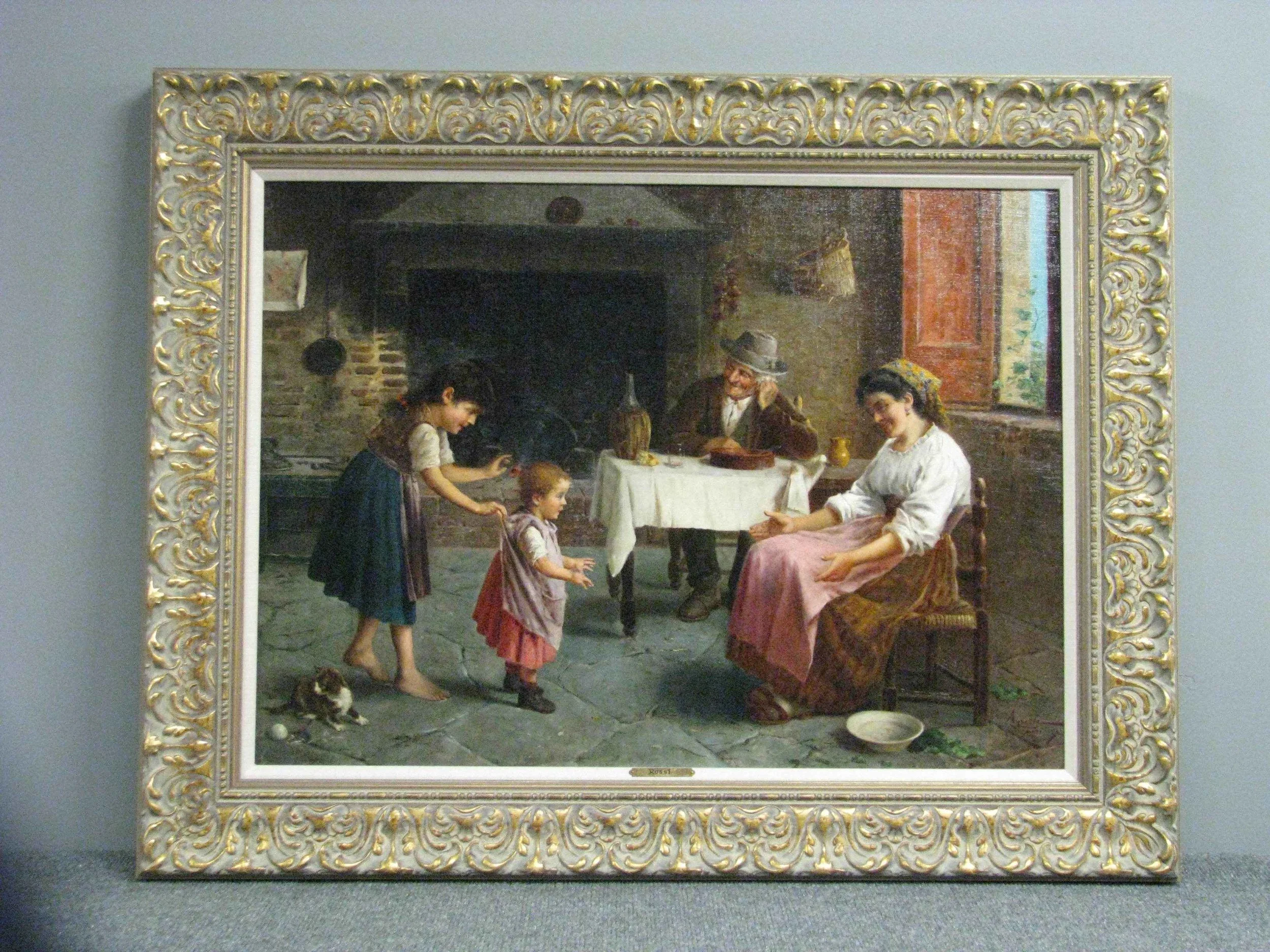
Last month, The Conservation Center spent a lovely Saturday afternoon with more than 40 members of the Freeport Art Museum (FAM)—a jewel of a collection located in Freeport, Illinois, right outside of Rockford. Together with Roberta Kramer, a Chicago-based art appraiser, we made a special presentation that marked the end of a two-year project, which, while not beginning under the most auspicious of circumstances, concluded with cause for celebration. Many key pieces of art from FAM’s collection were properly appraised and saved from water damage that occurred in its 2D storage unit.

A Refreshed Frame for "Madonna and Child"

A Refreshed Frame for "Madonna and Child"

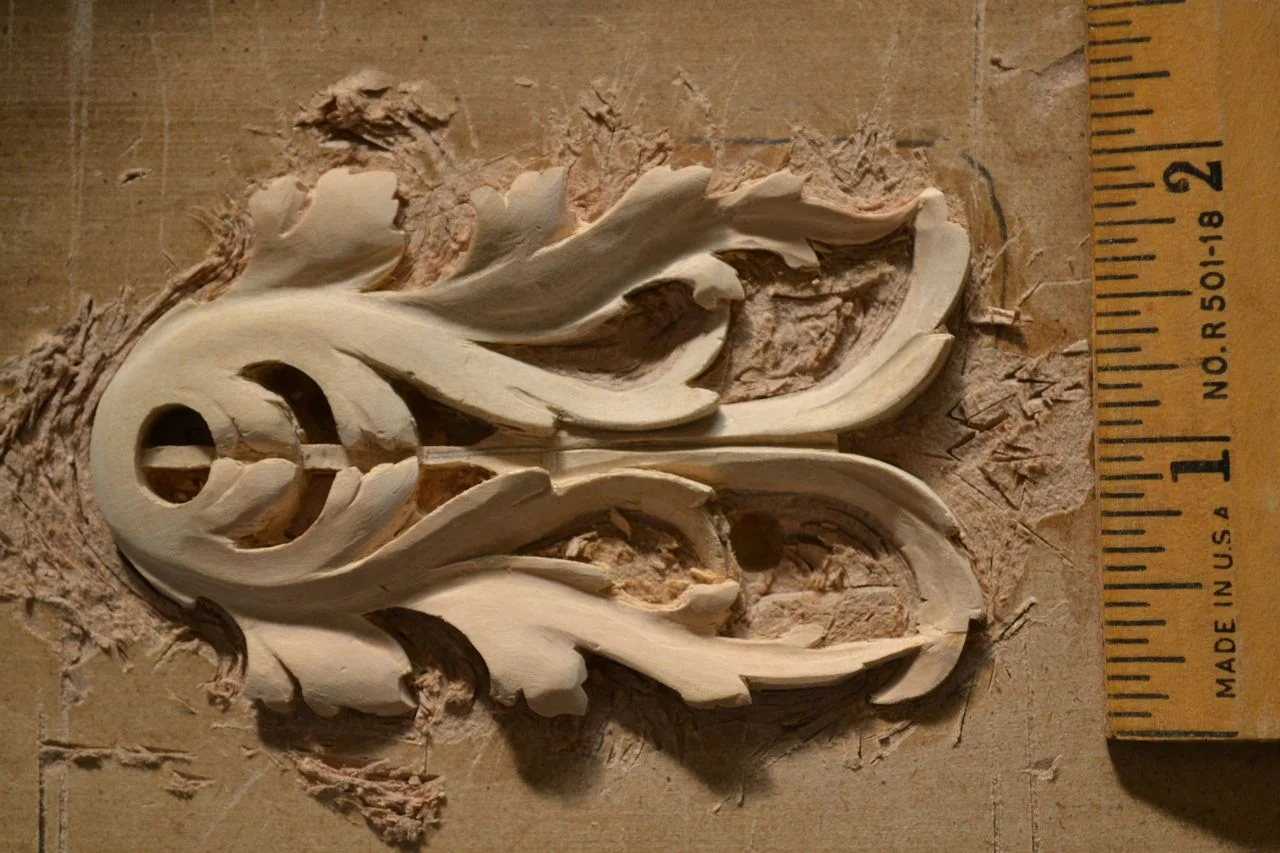
Just in time for the holidays, The Conservation Center completed extensive frame work for a beautiful Madonna and Child painting for the Diocese of Rockford collection. Josh McCauley, one of our Senior Conservators, carved out new decorations by hand, showing off his true attention to detail and expert craftsmanship. Learn how the Madonna and Child frame was conserved.

Preserving an Antiques Market Treasure: Saint Rose

Preserving an Antiques Market Treasure: Saint Rose

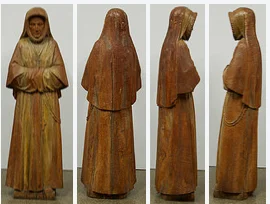
When wandering a flea or antique market, one just never knows what treasures there are to be found. From terrific steals to relics from a past long forgotten, there is usually something to excite the fancy of just about anyone. During one of his frequent visits to the Grayslake Antiques market, The Conservation Center’s client Robert Le Clerq had one such awe-inspiring moment that brought him back into his younger days. He came upon an old, carved wooden sculpture that immediately reminded him of nuns of the order of the Sacred Heart. Though this probably would not be significant to most, Mr. Le Clerq has fond recollections of Barat College. From serving mass as an alter boy, to watching his older sister graduate, to even dating a few of the girls who attended the private Catholic school, Sacred Heart had played a significant role in Mr. Le Clerq’s younger days.

EXPO CHICAGO/2014 Highlight: Charles Cressent Boulle Clock

EXPO CHICAGO/2014 Highlight: Charles Cressent Boulle Clock

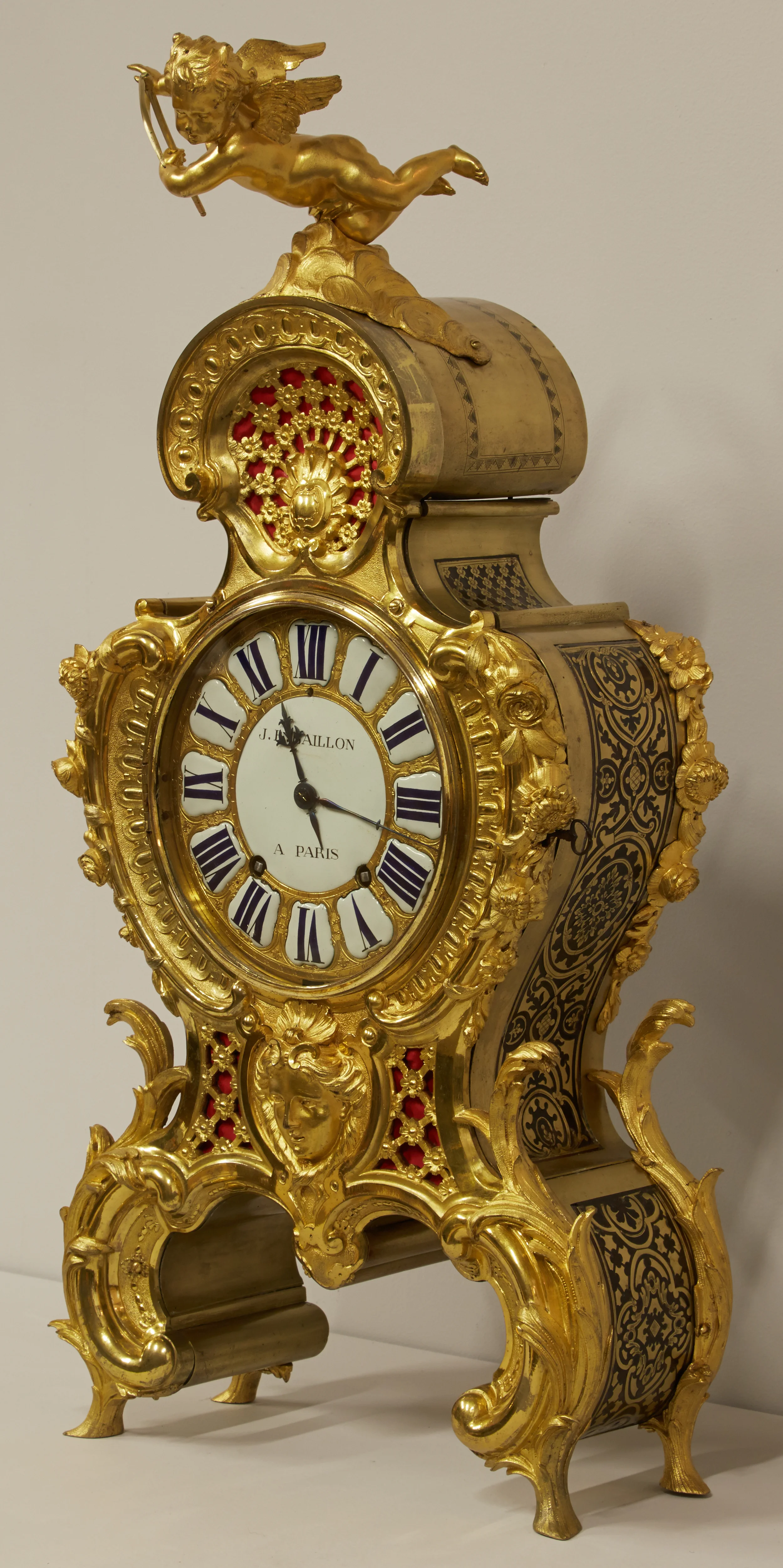
The Cressent Boulle Clock is on view at The Conservation Center's Pop-Up Lab @ EXPO CHICAGO/2014 (Booth 113) from September 18–21.

Charles Cressent (1685-1768) was a descendant of a family of furniture makers and talented sculptors. As a pupil of André Charles Boulle (1642–1732)—the French cabinetmaker who is generally considered to be the preeminent artist in the field of marquetry—Cressent's work is characteristic of the Rococo period with adornments of feminine figures and motifs, floral Arabesques, and exotic animals. To combine the gilt-bronze elements of his unique style and to ensure the quality of his mounts, Cressent broke the rules of the French guild system and was prosecuted for practicing two professions in the same workshop—cabinetmaking and gilding.

EXPO CHICAGO/2014 Highlight: A 19th Century Gateleg Table

EXPO CHICAGO/2014 Highlight: A 19th Century Gateleg Table

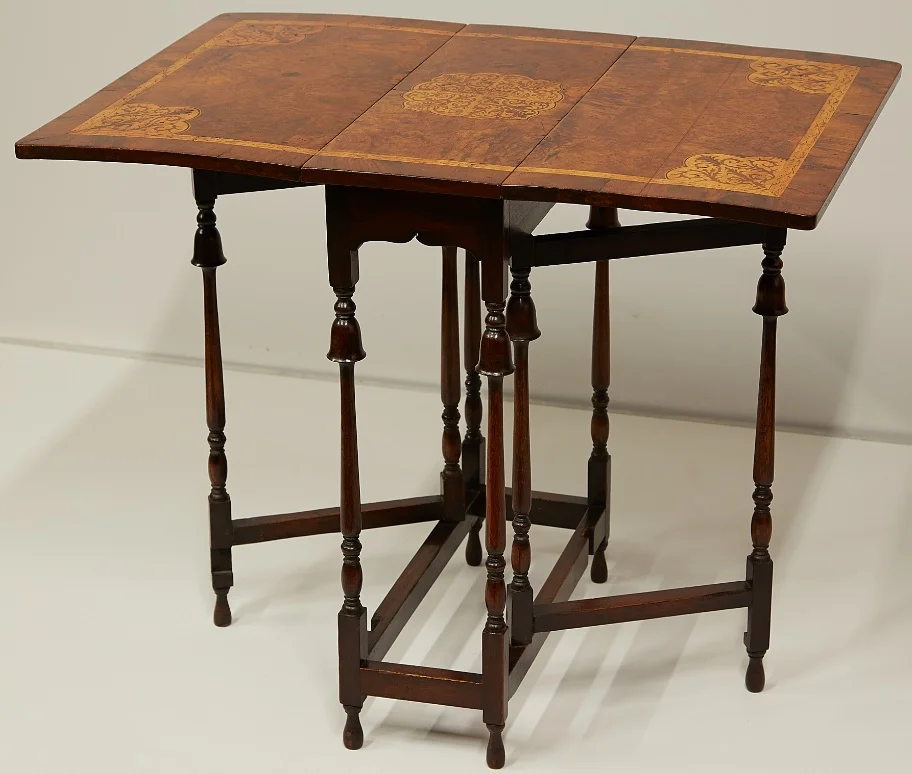
The gateleg table is on view at The Conservation Center's Pop-Up Lab @ EXPO CHICAGO/2014 (Booth 113) from September 18–21.

This gateleg (folding) table is likely British or American due to the use of walnut and box wood inlay. Stylistically, it is a 19th copy of an original produced in the late 17th century. It references a simple, utilitarian style, but the flair in the marquetry nods to a later William and Mary motif. The table came to The Conservation Center with loose veneer, and missing areas in the turned legs. In addition, the previous treatment relied on heavily pigmented polish to disguise the poor quality repairs—which masked the decorative effect of the inlay and the burr walnut veneer.

CONTACT US
312.944.5401