
What does that do? In a quiet corner of our 4th-floor lab sits the BookTek machine, a high-tech archival scanner quietly performing a remarkable task: transforming fragile, century-old documents into digital treasures that can be studied, shared, and explored, all without putting the original at risk.
Watch the BookTek at work in the video below, and then scroll down to learn more.
After the careful repairs to the 19th century ledger described in Part I were complete — which addressed deep creases, weakened bindings, and worn covers from years of use — the project was ready for the next stage: digital preservation. Once stabilized and safe to handle, our team focused on capturing its pages in ways that ensure access for generations to come.
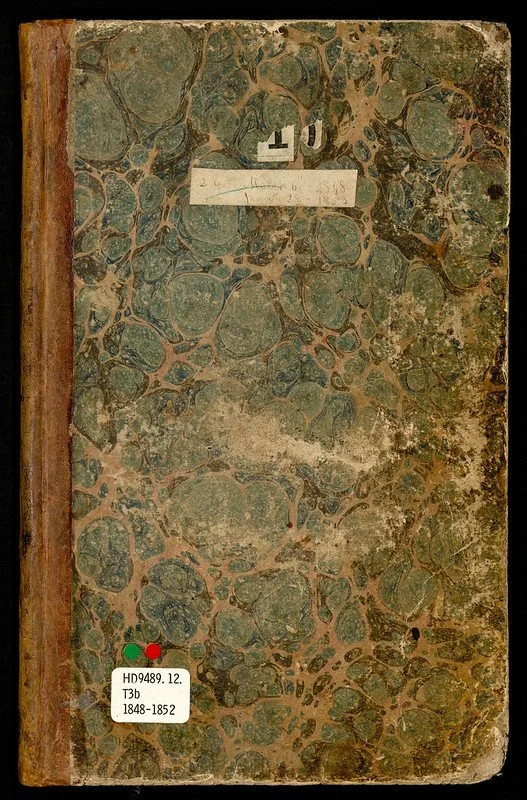
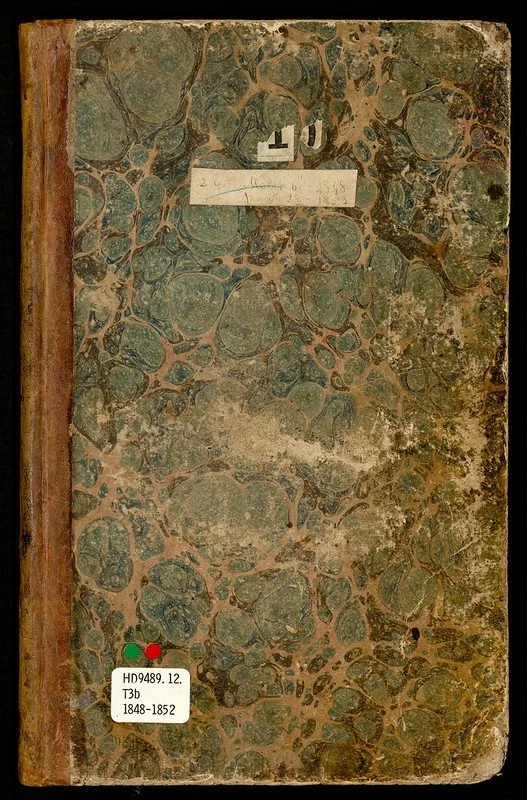
A scan of the cover of the ledger.
Even with conservation, frequent handling can still cause damage. This is where the BookTek makes a difference: its overhead scanner lifts each page gently, capturing high-resolution images without applying pressure to delicate surfaces. The V-shaped cradle supports the binding at angles that reduce stress, while the scanner accommodates oversized pages and produces images that meet professional archival standards.
Digitization goes beyond simply creating images. Using optical character recognition (OCR), the BookTek converts each page into searchable text. Researchers, historians, and archivists can quickly locate the information they need without ever touching the fragile original. This approach is especially useful for collections where repeated access might otherwise risk wear or loss.
The scanner produces files in formats optimized for long-term preservation, from PDF/A to high-resolution TIFF, and integrates seamlessly with cloud storage or shared drives. When clients require physical reproductions, we can create prints that mimic the look and feel of the original while keeping the ledger safely stored.
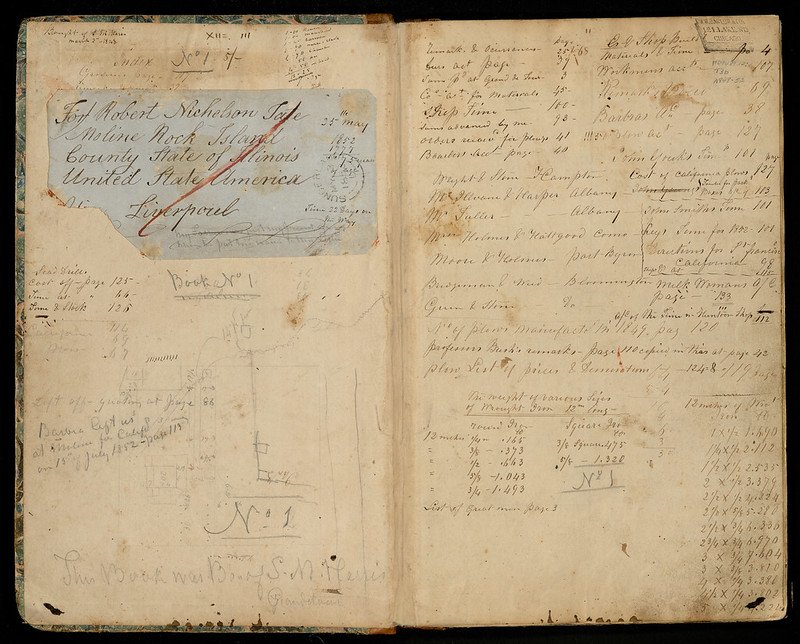
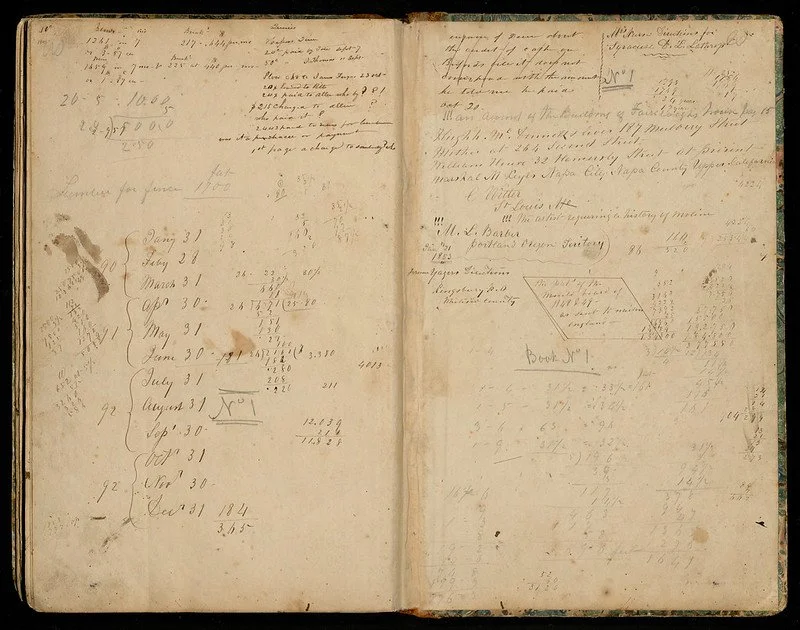
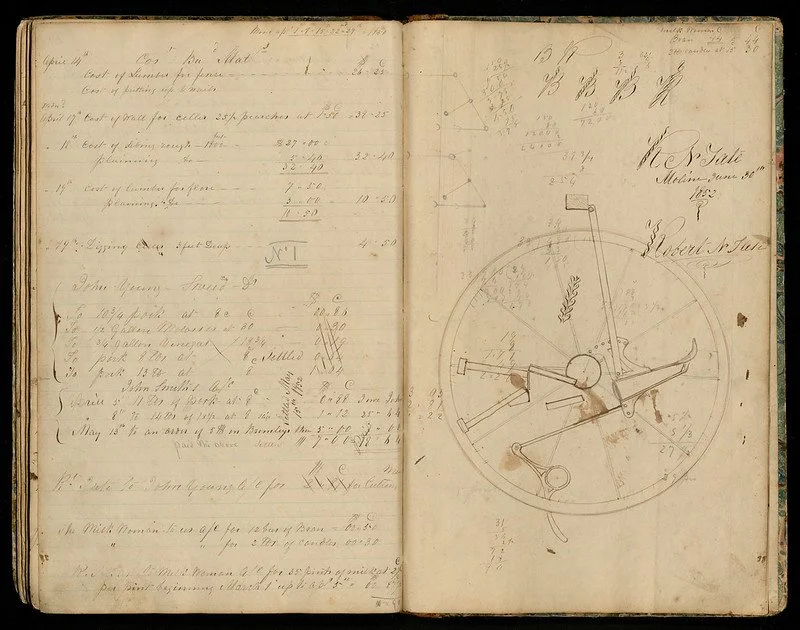
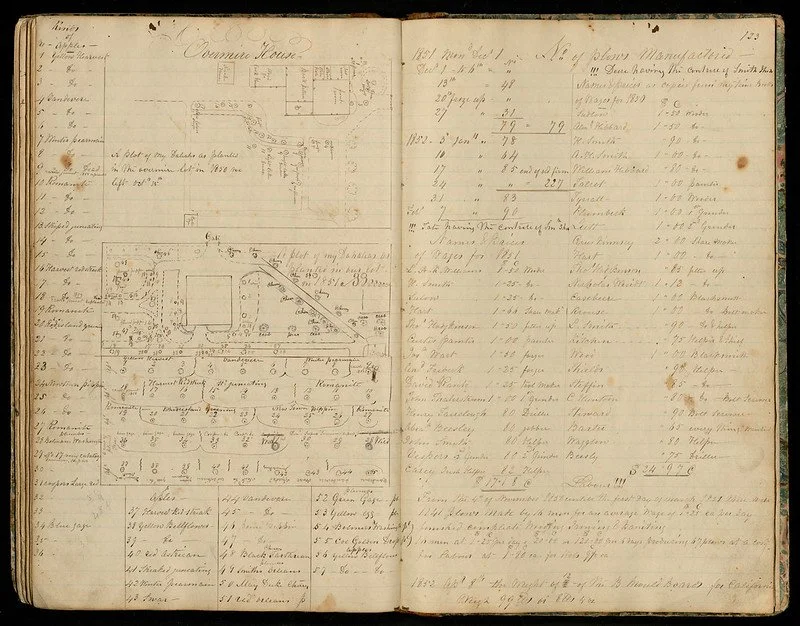
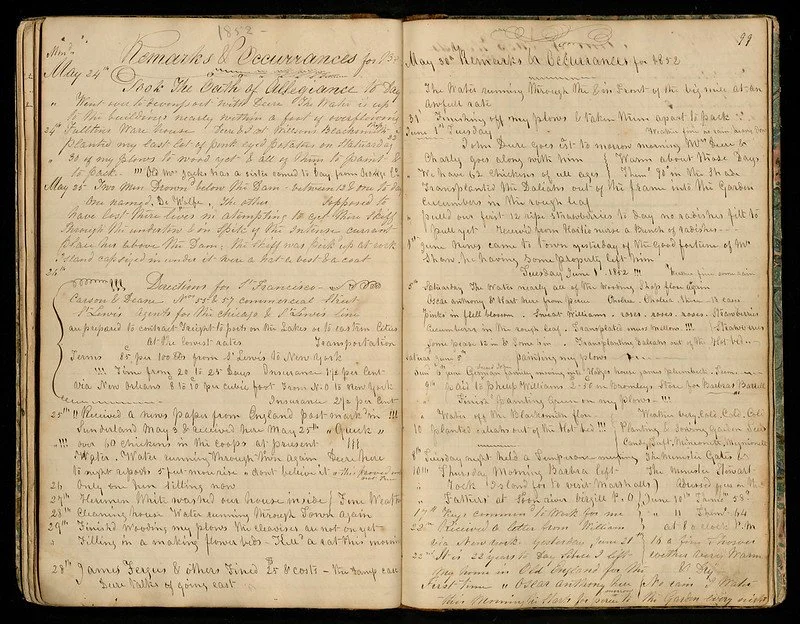
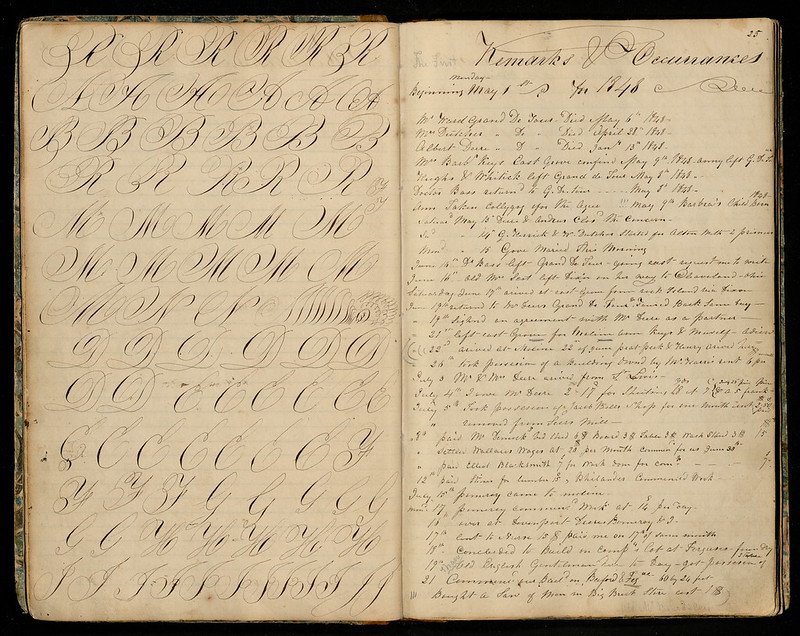
This ledger was scanned in its entirety and loaded onto a hard drive for our client, who now has a complete digital record to use for research purposes while the original can stay safely in the custom archival clamshell box created by our conservators. By combining hands-on care with digital access, we ensure that this piece of history — and others like it — are not only preserved but ready to be explored.
Click through the scanned pages of the conserved ledger below.
To read more about our work with collections and archives, find our previous articles here:
The Benefits of Digitization: Hampton University Archives
Parks and Conservation: The Dubuque Museum of Art's Architectural Drawings
