Will custom, conservation-level framing really make a difference with my artwork? What about the those low-cost, pre-made frames that come with their own mats and glass - won’t they get the job done?

Articles
Will custom, conservation-level framing really make a difference with my artwork? What about the those low-cost, pre-made frames that come with their own mats and glass - won’t they get the job done?
Given The Conservation Center’s history of treating artworks that have succumbed to fire and flood damage, it may surprise you to know that a few of the most common culprits of damage are poor materials, framing, and storage techniques. Luckily, with proper foresight and preparation, most of this damage is preventable. In this article we will examine some of the common "red flags" to look for in consideration of your own framed art and heirlooms.
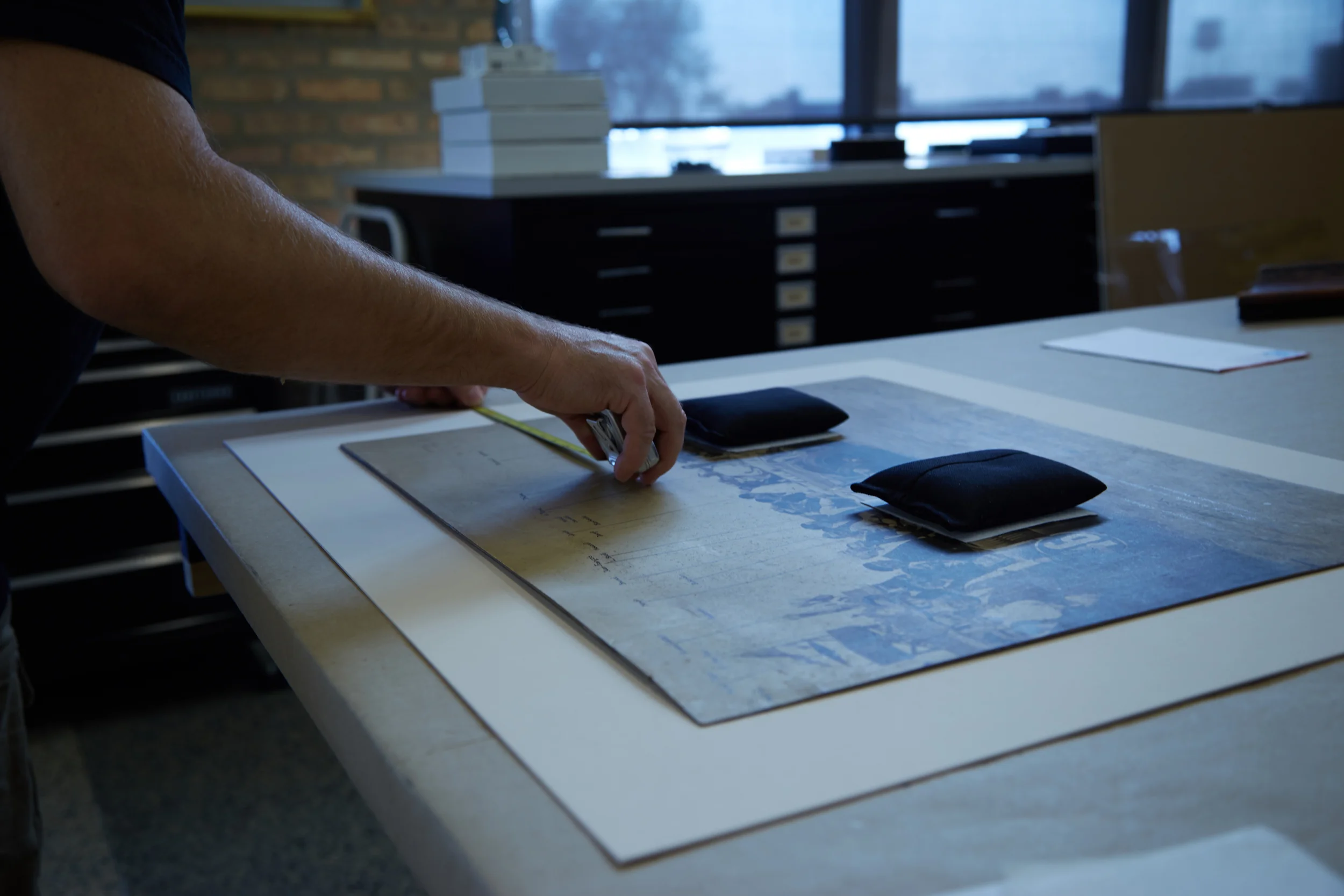
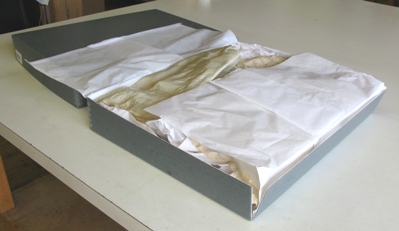
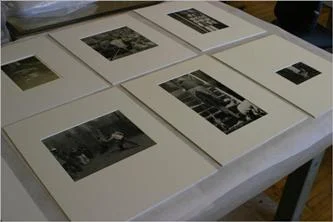
A housing technique commonly used at The Center: Creating a sink mat to house paper pieces. Below, Toby Joyce, Director of Conservation Framing, demonstrates the technique:
The paper piece is carefully situated on top of the supporting mount board with an engaged stepped mat. Weights are used to hold down the paper, and ensure that the piece is centered through to the final step.
There are few rites of spring more satisfying than the annual clean. And while spotless living spaces make a house a home, many of us unfortunately have to use harsh chemicals and solvents to achieve that goal. The application of products found under the kitchen sink can lead to chemical reactions on the surface of art objects that can prove to be quite serious, resulting in detrimental losses that are usually so much greater than the reward of a home cleaning approach. When it comes to caring for your art and antiques while freshening up around the house, we strongly advise our readers to adhere to the “DDIY” rule—Don’t Do it Yourself—and leave the job to professional art conservators.
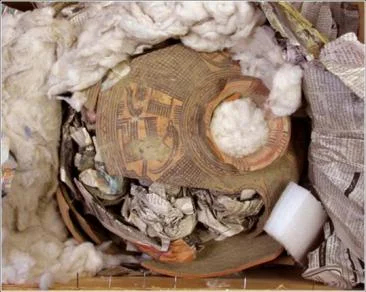
Whether a corporation’s art collection is a curated investment, a donation from an art-loving CEO, an act of community connection, or a trove of archival material, keeping it in good condition requires the knowledge of experts. The Conservation Center has a long history of caring for corporate art holdings in four categories: disaster response, re-housing, storage, and display.
In the field of art conservation the terms archival, inert, stable, safe, etc. refer to materials or processing methods that are expected to allow items to be stored for extended periods of time without loss of quality. These materials should not degrade over time and should not contain volatile materials that will be emitted from the material, or ‘off-gas.’ Both degradation products and off-gassing materials can do serious damage to some art materials. Metal, paper, and shells are examples of sensitive materials that can be damaged irreversibly from proximity to ‘unsafe’ materials.
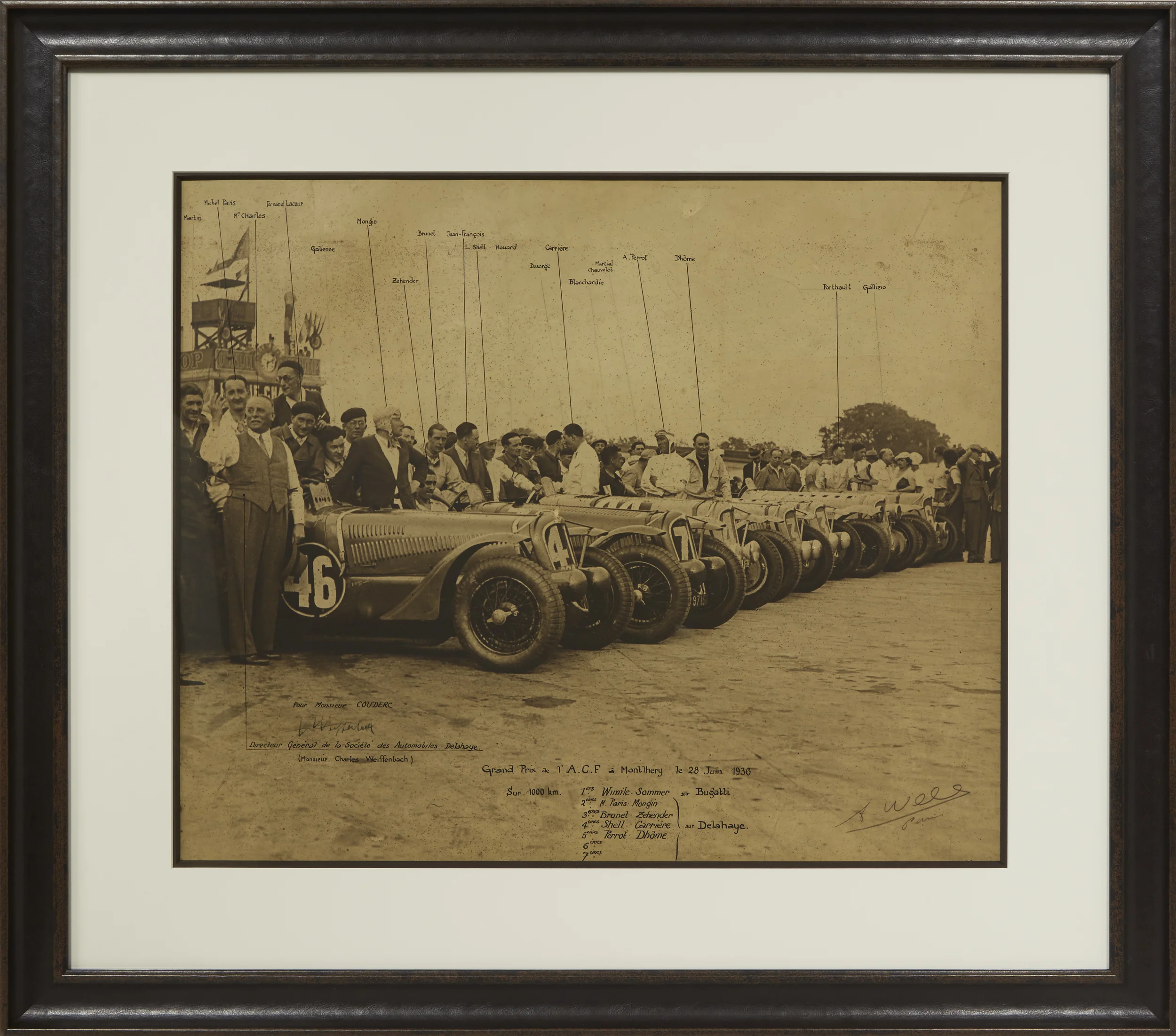
When owners and caretakers of artwork want to properly house their treasured works, their collection may pass through The Center’s Custom Framing Department. Works on canvas, metal, wood, plastic and everything in-between are treated at The Chicago Conservation Center. Each work is individually assessed in order to determine the most appropriate type of housing, based upon the medium, the stability of the piece, the style and the client’s display concerns. A wide variety of housing options are available: traditional framing, custom mounts, and vitrines are the most common.
CONTACT US
312.944.5401