
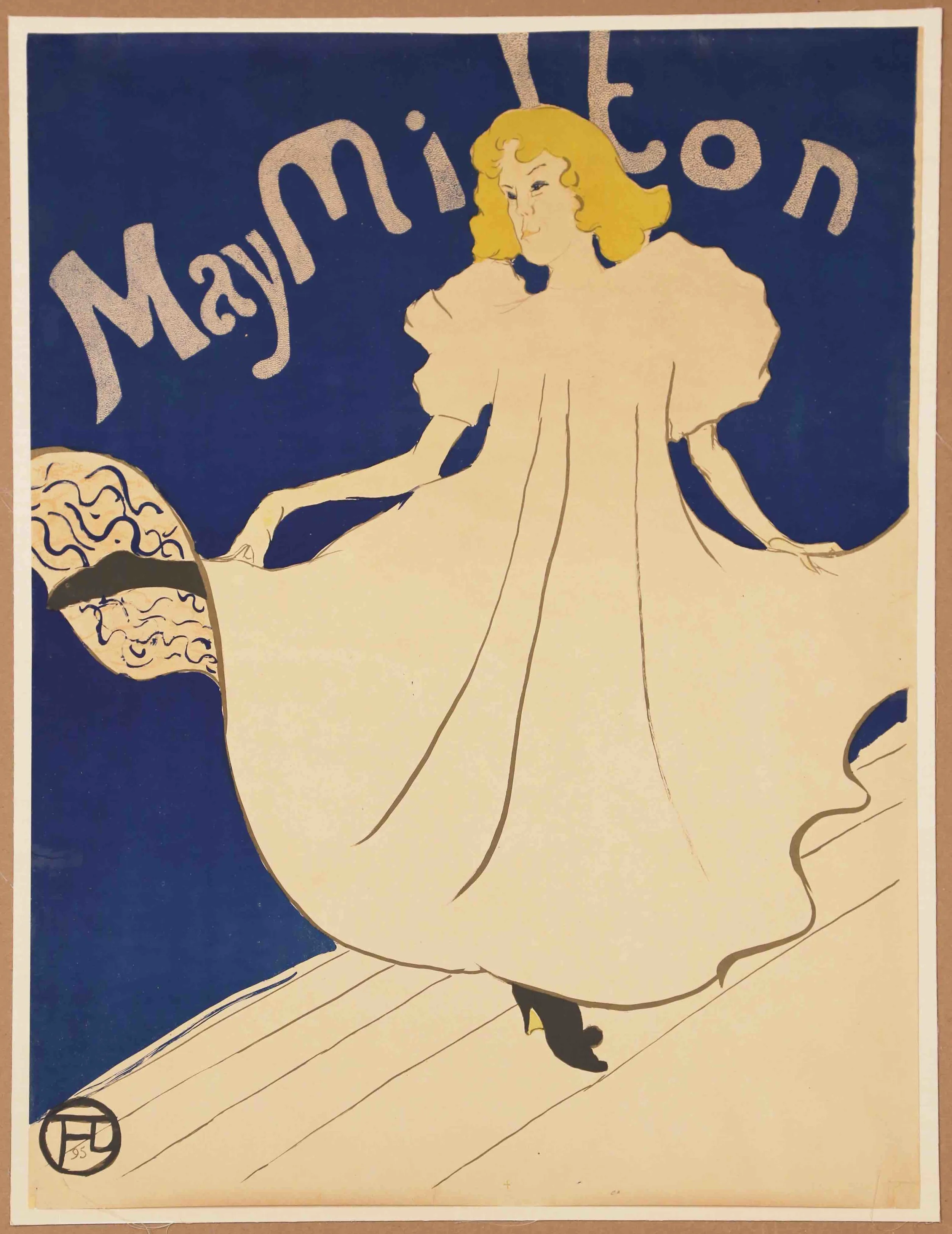
Sometimes a singular work of art can inspire an entire collection. When this is the case, the collector cherishes that first piece above all others. When a client of The Conservation Center brings in a work that we can actually see the joy and affection brought on by it, those feelings are contagious. This is what happened recently when Bruce Romick, a private collector from Indiana, contacted us about one such treasured item. Mr. Romick and his wife had acquired a lithograph of May Milton by famed Post-Impressionist artist Henri de Toulouse-Lautrec in 1978. While it was in very good condition when purchased, after 37 years, some degradation was to be expected. Our Paper Department was in charge to bring “May” back to life so it would continue to bring the Romicks the same joy for many years to come.
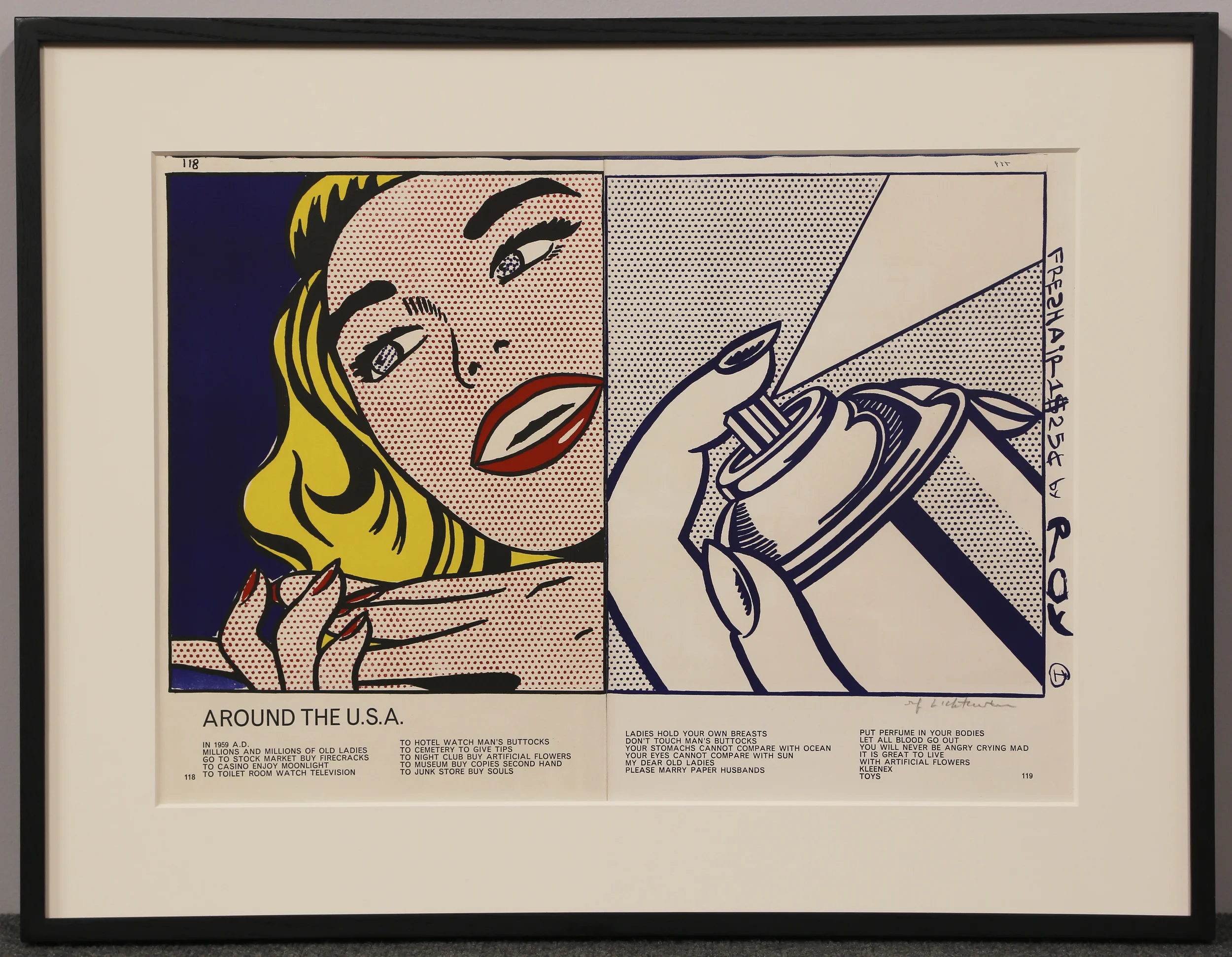
EXPO CHICAGO/2014 Highlight: "Girl with a Spray Can" by Roy Lichtenstein, 1963
Girl with a Spray Can was first printed in Wallace Ting’s book 1¢ Life, often viewed as a compact visual manifesto of the sixties. Pop artist Roy Lichtenstein’s color lithographs were printed on pages 118-119. This piece offers a unique juxtaposition. The right panel of the diptych consists of a reference to the simple printing process of using Ben-day dots (which dates back to 1879). The left side of the diptych consists of a small segment of a comic-strip imagery for which Lichtenstein became quite famous. This piece is the first instance of Lichtenstein featuring a blonde girl in his works, iconography which now is considered some of the most desirable in his oeuvre.
Paper Conservation Anecdote: Prints by Henry Thomas Alken
Hunting may be a fall sport—but art conservation is a year round activity. Whether he was drawing, etching, or painting his famous hunting scenes, Henry Thomas Alken (English, 1785–1851), judging by the amount of work he produced during his career, was always, like us, working. The Conservation Center is always thrilled to treat high quality works by artists such as Alken. Not only can we appreciate his skilled artistry, but we can also admire the humorous point of view through which he saw his subject matters.


