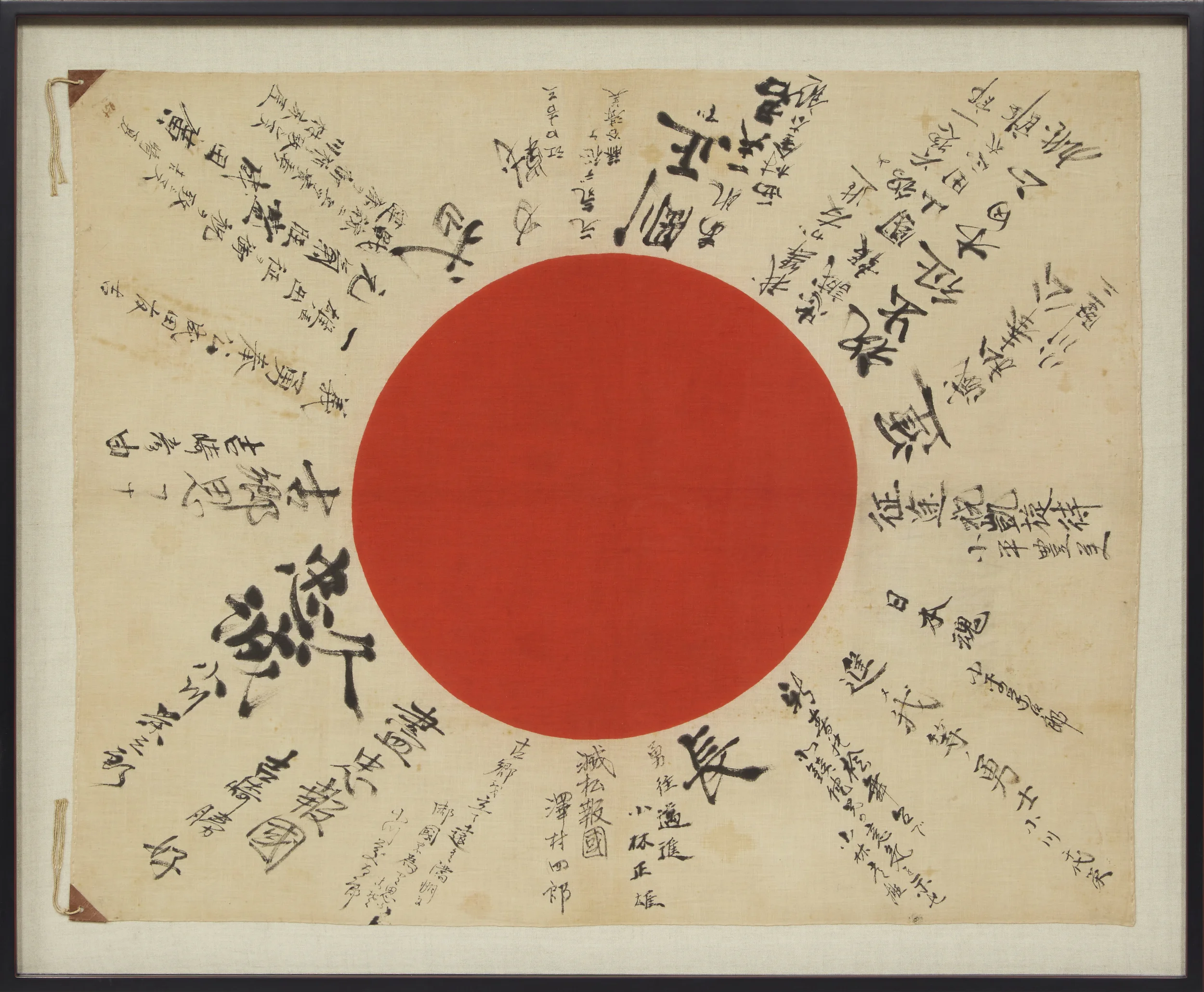
Made of delicate fibers, folded, and carried in the pockets of soldiers, Japanese “good luck flags”, commonly known in Japan as yosegaki hinomaru, were parting gifts for soldiers deployed into battle. These flags are evidence of a long standing tradition among Japanese servicemen. The Japanese National Flag, commonly known in Japan as hinomaru, was used to facilitate these messages of prayers and well-wishes from loved ones, so that the soldier could endure the difficult times ahead; yosegaki, refers to the gathered writing, often inscribed in a pattern radiating from the center of the flag. A yosegaki hinomaru experienced only a fraction of the harrowing perils of war experienced by the soldiers who carried them to the front lines. It is remarkable that these flags have survived to continue the story of the soldiers who brought them into battle.
When Lake Michigan was Lac des Puans: The Cartographic Origins of the Great Lakes
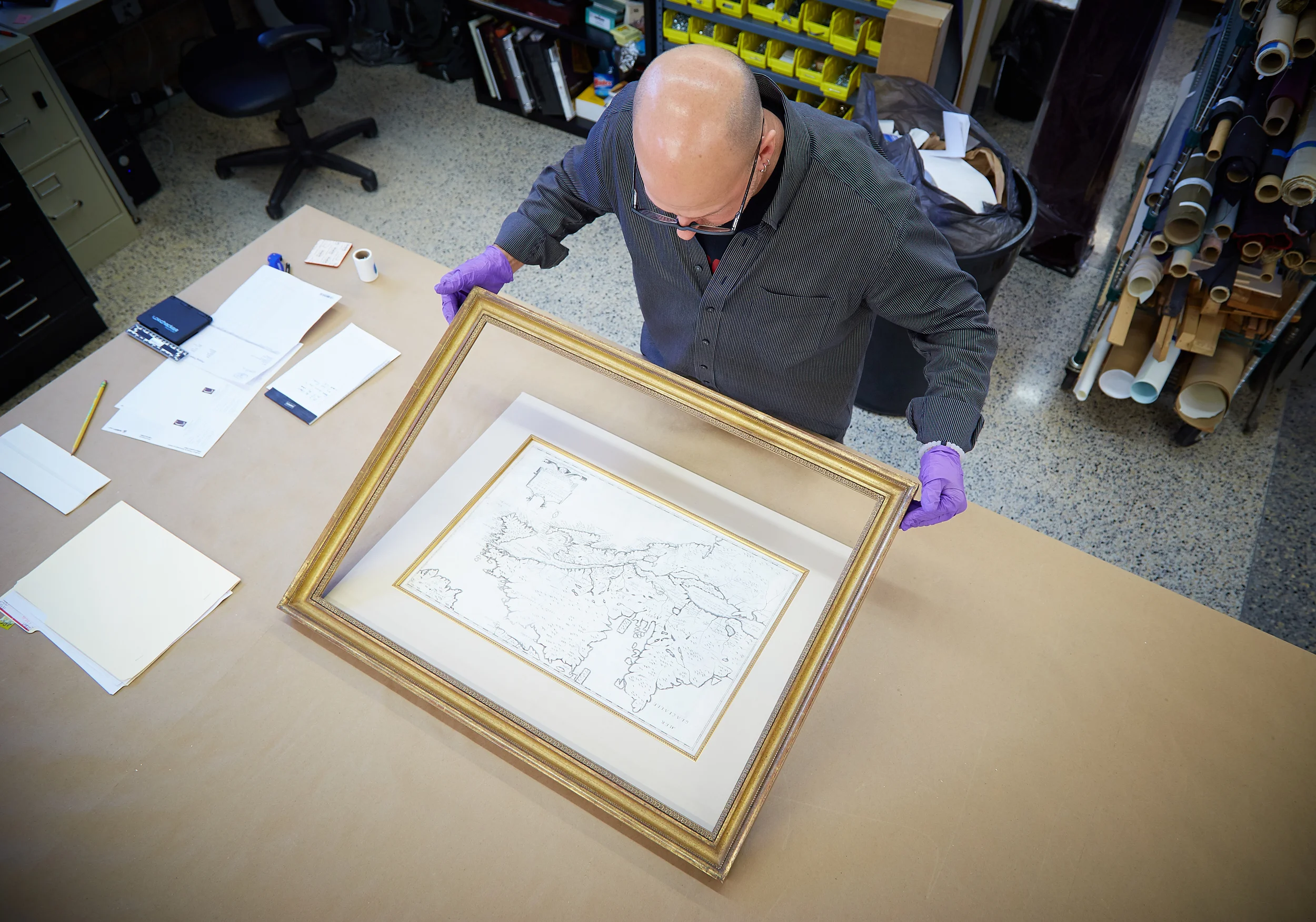
When Greg brought his map into The Center, he wasn’t seeking conservation work - the map was already in great condition. What it needed was quality framing to properly display it in Greg’s home and keep it safe for another 373 years. That’s right - dating back to 1643, this map of the Great Lakes by Jean Boisseau may not be helpful for travel these days, but will take you on an interesting trip to the past.
Ask The Conservators: Does conservation-level framing really make a difference?
Will custom, conservation-level framing really make a difference with my artwork? What about the those low-cost, pre-made frames that come with their own mats and glass - won’t they get the job done?
Saving Superman
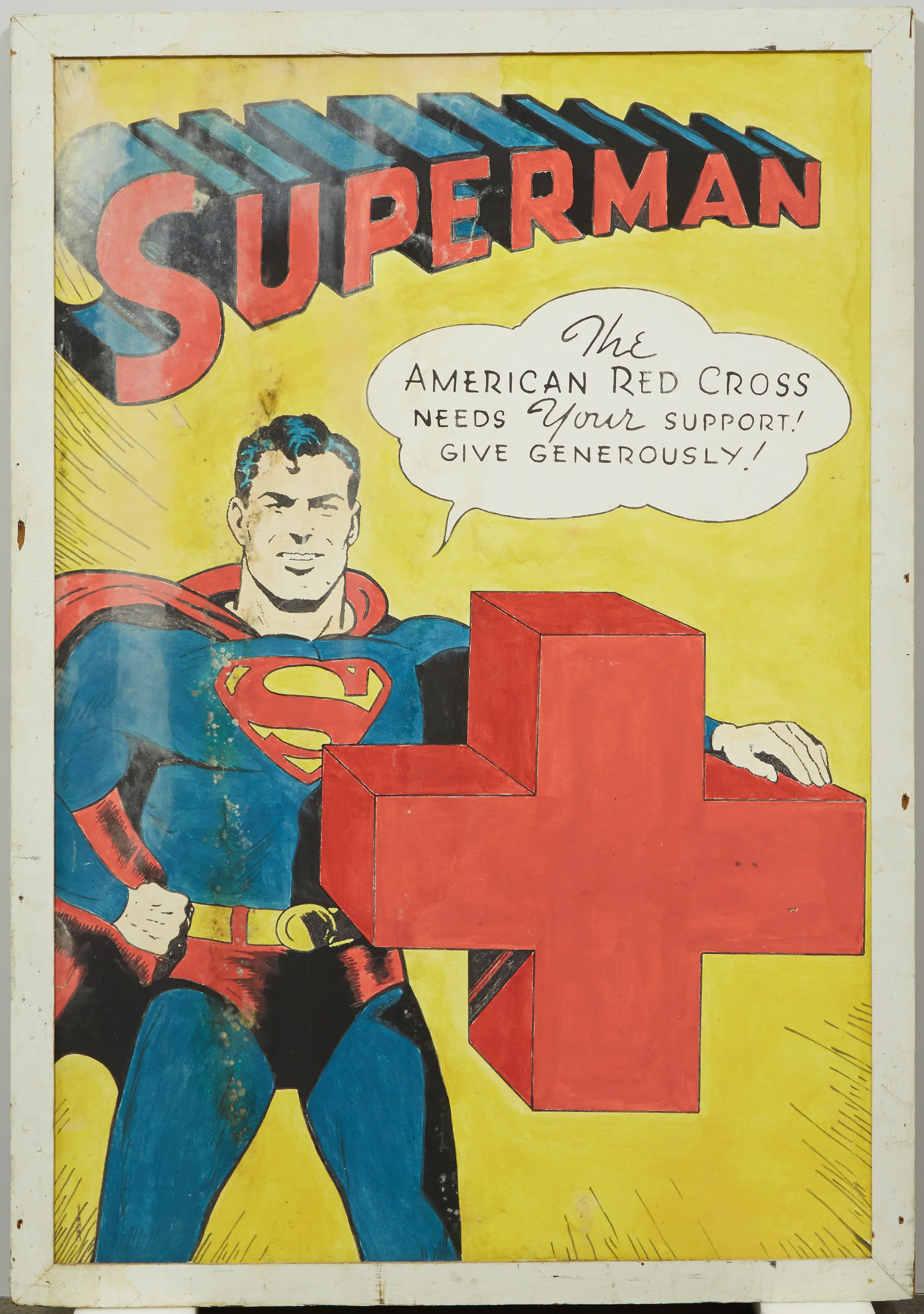
When Joe went down into the basement of his girlfriend’s house to repair a leaking pipe, he would have never guessed that within hours he would be at The Conservation Center’s doors with a striking, but severely deteriorated, painting of Superman in hand. It was wet, stained, moldy, and even had insects living behind the frame. Fortunately, The Center’s team was at the ready to stop this kryptonite before it could do its worst.
Common Culprits of Damage: Causation and Prevention 101
Given The Conservation Center’s history of treating artworks that have succumbed to fire and flood damage, it may surprise you to know that a few of the most common culprits of damage are poor materials, framing, and storage techniques. Luckily, with proper foresight and preparation, most of this damage is preventable. In this article we will examine some of the common "red flags" to look for in consideration of your own framed art and heirlooms.
Protecting Paper: An Illustrated Guide to Sink Mats
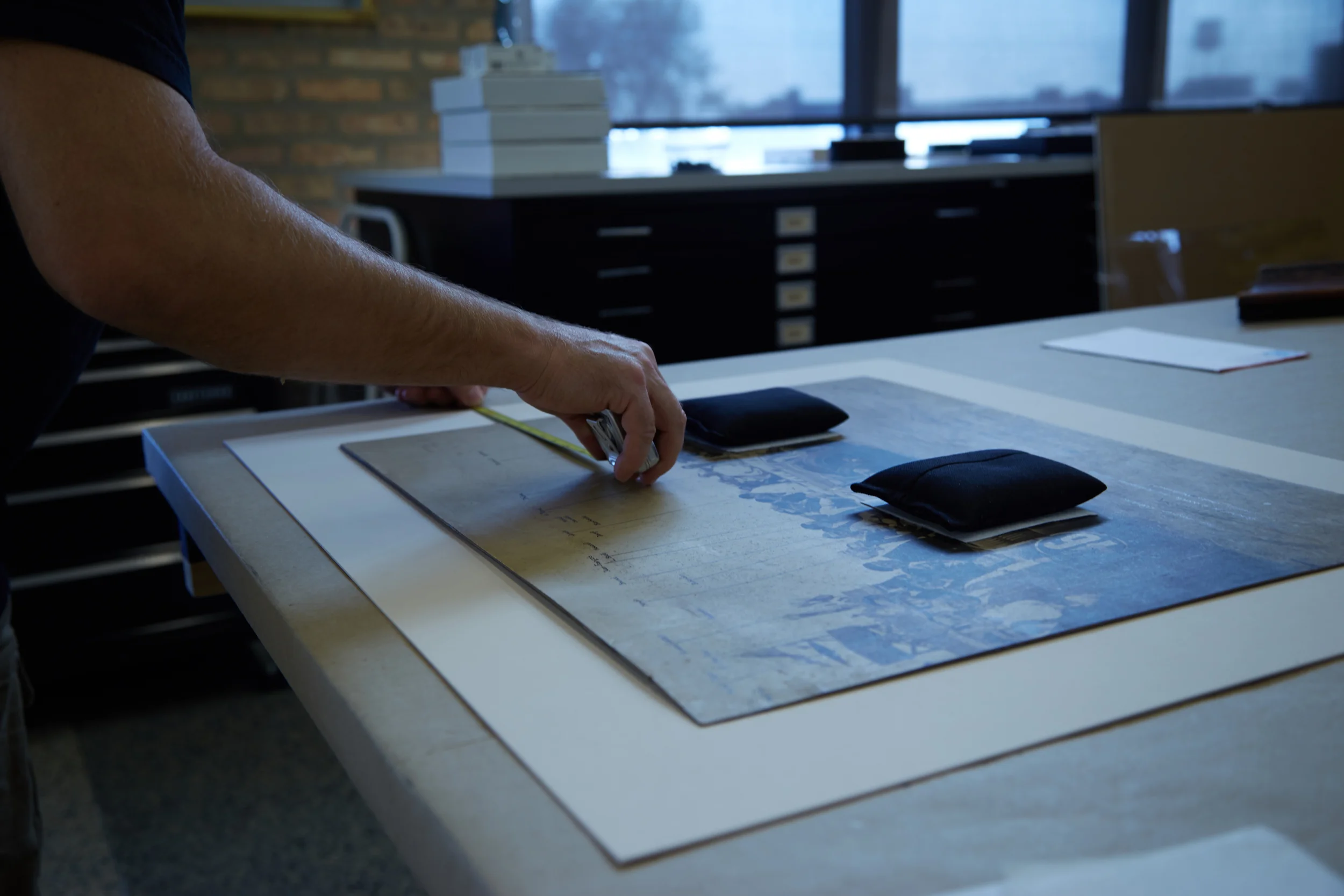
A housing technique commonly used at The Center: Creating a sink mat to house paper pieces. Below, Toby Joyce, Director of Conservation Framing, demonstrates the technique:
The paper piece is carefully situated on top of the supporting mount board with an engaged stepped mat. Weights are used to hold down the paper, and ensure that the piece is centered through to the final step.
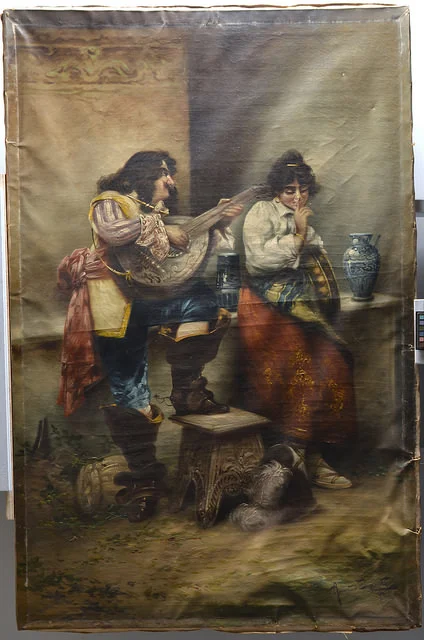
Painting With Wine: A Romantic French Work Conserved
Recently, The Conservation Center was introduced to a little-known, yet charming, oil painting entitled The Musician by a French artist named Louis-Armand Dupont. "I believe Dupont started an art school. I don't know his other artworks; all I know is he loved to paint," shared Alice Morales, the painting's owner, as she discussed the background of the work she brought to us. "I discovered he was actually a wine producer." With a little research, we found the winery is still active and has a portrait of Louis-Armand proudly displayed on the wall. Located in the Pays d’Auge region of Normandy, the Louis Dupont Family Estate is run by the living descendants of Dupont, though their research found records of their family in the area as far back as 1703.
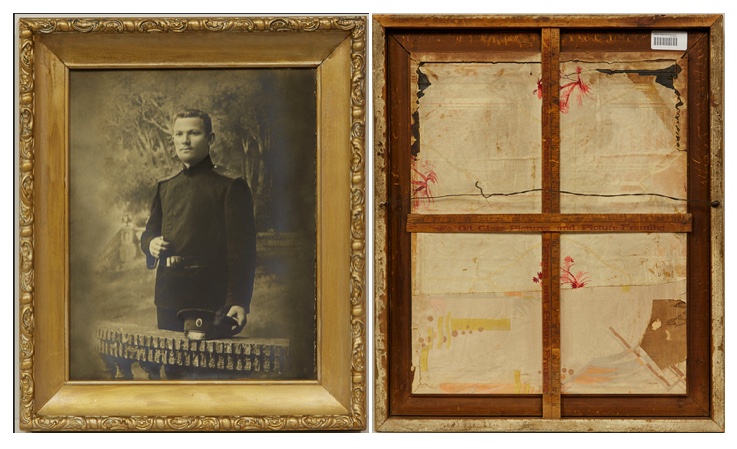
From Russia With Love: Portrait of a Military Officer
“This is an important piece of our family history,” commented Cindy Egoroff Alexander while discussing a portrait of her grandfather, Emil Egoroff. Cindy and her family recently entrusted The Conservation Center to treat and reframe a black and white photograph of Emil. “We know very little of our grandfather’s life in Russia,” she explained, emphasizing how precious the few details they uncovered were to understanding and remembering her family’s past. Cindy graciously shared the history passed down through the family with our team, shedding light on the story behind this handsome portrait.
The Importance of Heirloom Conservation
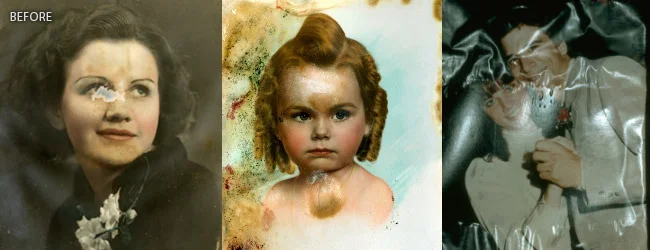
One of the misconceptions concerning work performed at an art treatment facility such as The Conservation Center is that an object or a piece of art must have significant value on the market to qualify for professional care. This is simply not the case. While many of our clients have high-end pieces that belong to large-scale collections and museums, our conservators also specialize in treating family antiques and heirlooms that have sentimental value.
Family heirlooms connect generations in a deep, personal way. From the handed down bible and grandmother’s knitted quilt, to a late 1800s baptismal gown and photos of a relative going off to war—anyone who has found or kept historic pieces in the family knows how moving they can be. These treasured items, passed down through the decades, provide insight into the lives of our ancestors and a richer understanding of our family's history.
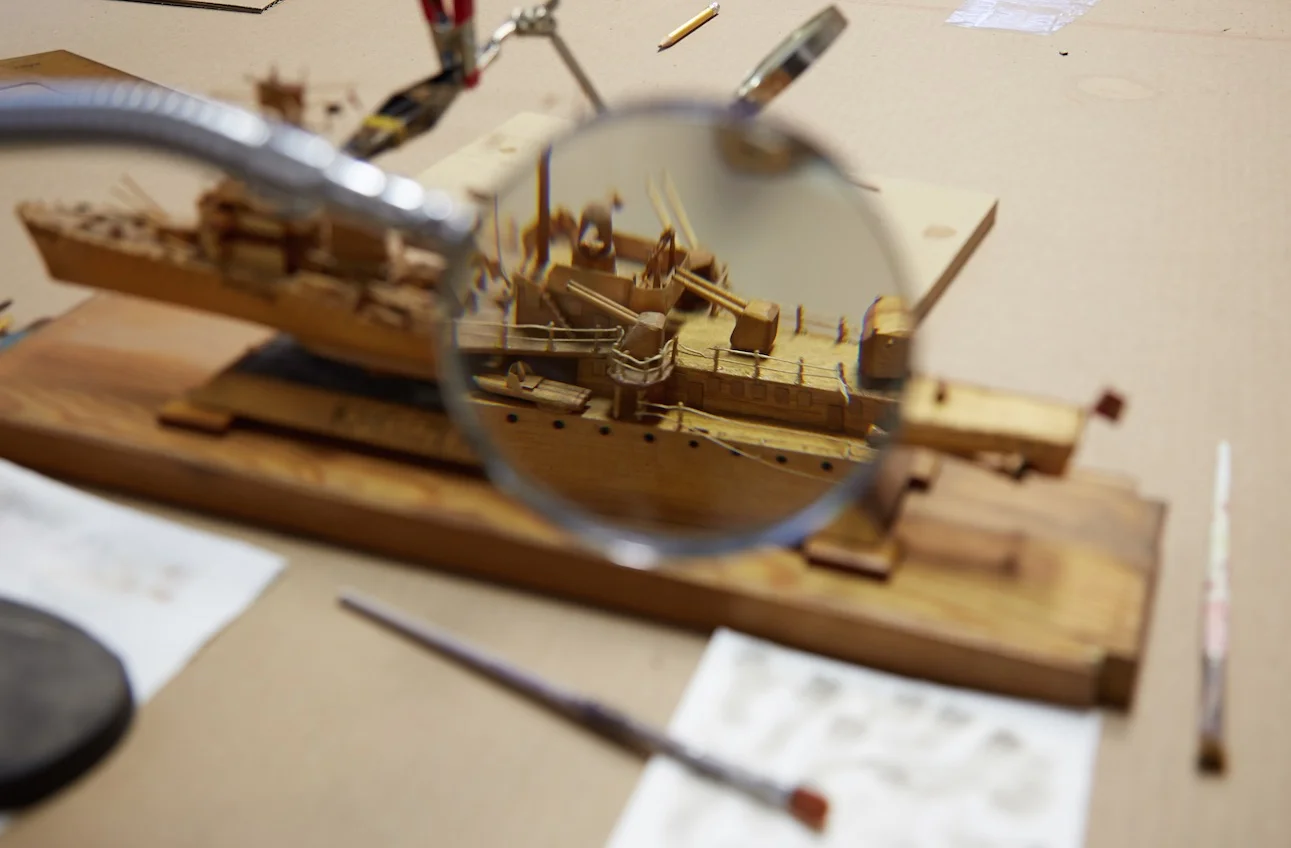
Holy Kreuzer Konigsberg! Conserving a Lilliputian Battleship Model
Whether massive in size or delicate in material, many projects taken on by The Conservation Center pose unique challenges for our team of expert conservators. Recently, the Robert R. McCormick Museum located in Wheaton, Illinois, brought us a curious object from its collection: a wooden model replica of a naval cruiser named the Kreuzer Konigsberg, commissioned during the WWII era. The amount of detail and veracity in the ship’s execution is staggering. However, upon closer examination, the model—which measures a miniscule 15” wide, 3” depth, 6” high—was found to be in poor condition, with broken segments throughout and worthy of a thorough cleaning and treatment effort.
Piecing Back Together A Family Heirloom, and Learning About The Past
Here at The Conservation Center, we strive to protect and preserve objects that hold intrinsic value to individuals and families, not just monetary value. During treatment, we often uncover forgotten details about a piece, and it can mean so much more to our clients when this information relates to their own family members and heritage. In this way, we approach each and every object with the highest level of care and attention. Recently, Naomi Steinberg, an Associate Professor of Religious Studies at DePaul University in Chicago, brought us a badly torn ketubah that was believed to belong to her paternal grandparent’s. Our conservators were able to meticulously piece this document back together, and through this process, Naomi also uncovered a slice of family history.
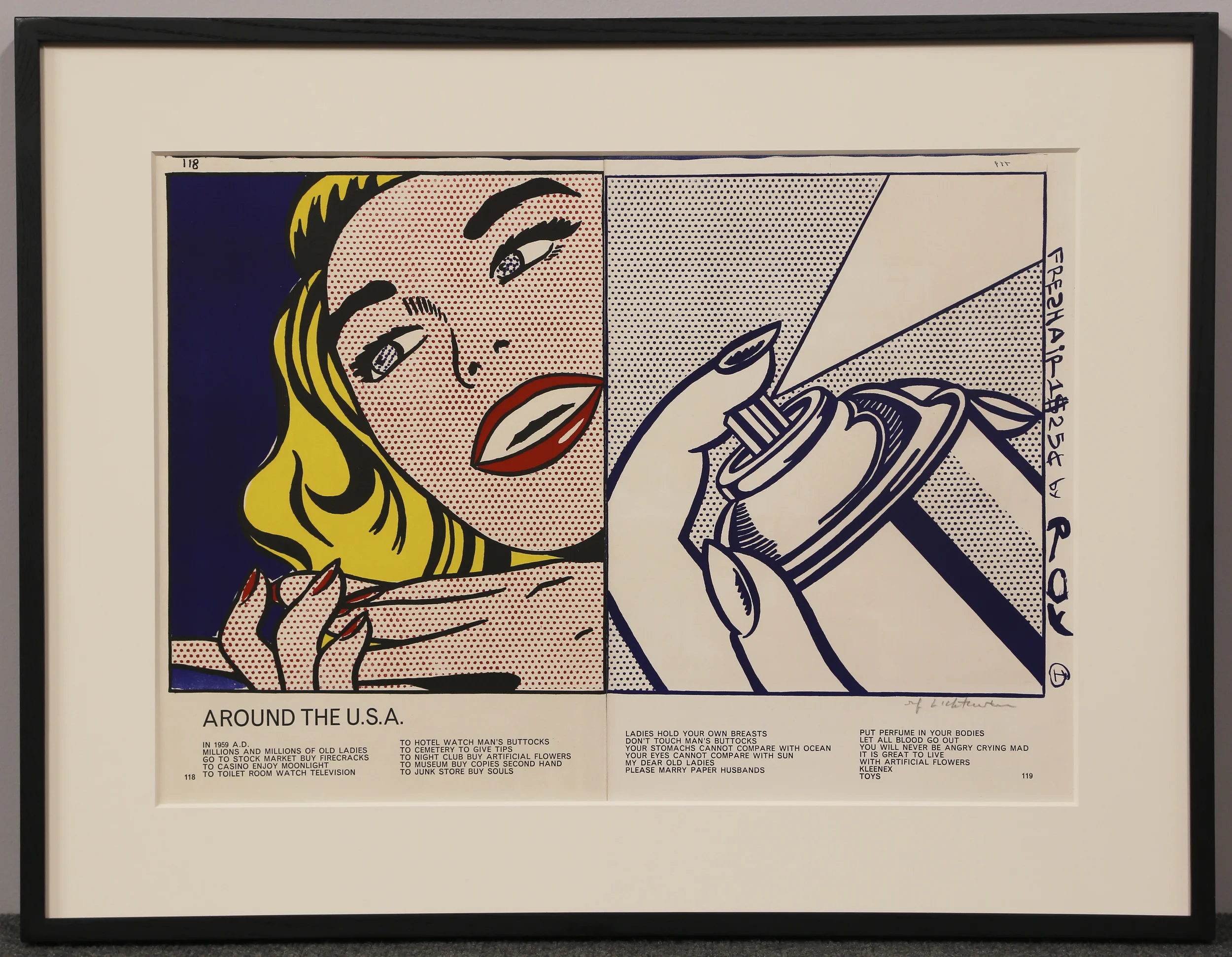
EXPO CHICAGO/2014 Highlight: "Girl with a Spray Can" by Roy Lichtenstein, 1963
Girl with a Spray Can was first printed in Wallace Ting’s book 1¢ Life, often viewed as a compact visual manifesto of the sixties. Pop artist Roy Lichtenstein’s color lithographs were printed on pages 118-119. This piece offers a unique juxtaposition. The right panel of the diptych consists of a reference to the simple printing process of using Ben-day dots (which dates back to 1879). The left side of the diptych consists of a small segment of a comic-strip imagery for which Lichtenstein became quite famous. This piece is the first instance of Lichtenstein featuring a blonde girl in his works, iconography which now is considered some of the most desirable in his oeuvre.
Uncle Sam Wants You: Conserving a Collection of Wartime Posters for Chicago's Federal Reserve Bank
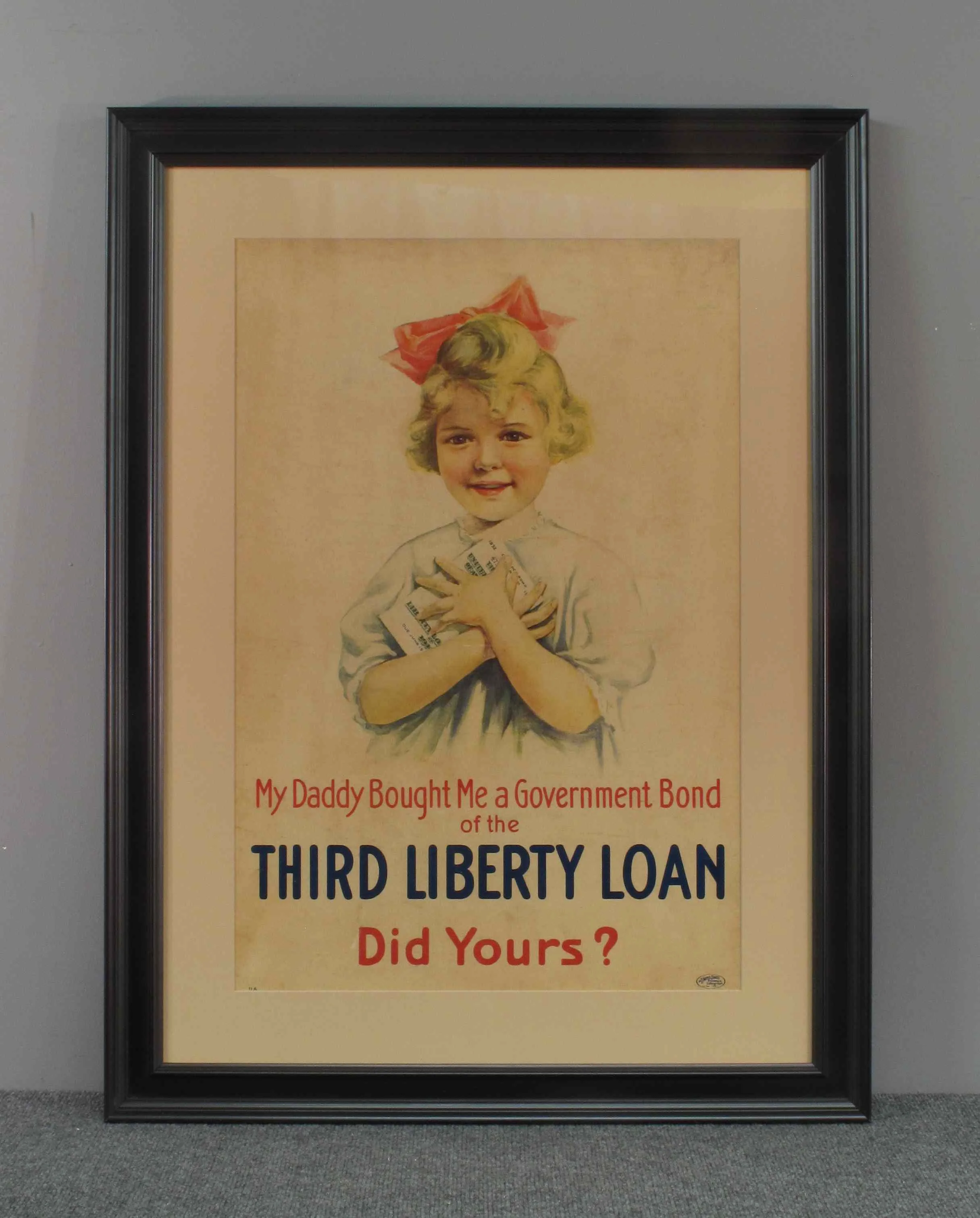
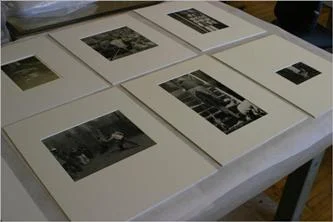
The Federal Reserve Bank of Chicago (FRBC) owns a stunning collection of 44 war bond posters that were created in the 1910s and in the 1940s to encourage public support of American troops. This collection serves as a reminder of the Chicago Fed’s important part in coordinating the sale of war bonds. In recent months, these vintage posters were cared for by The Conservation Center in preparation for a special exhibition mounted on the occasion of the FRB’s centennial anniversary.
Pure Michigan: Framing an 1836 John Farmer Map
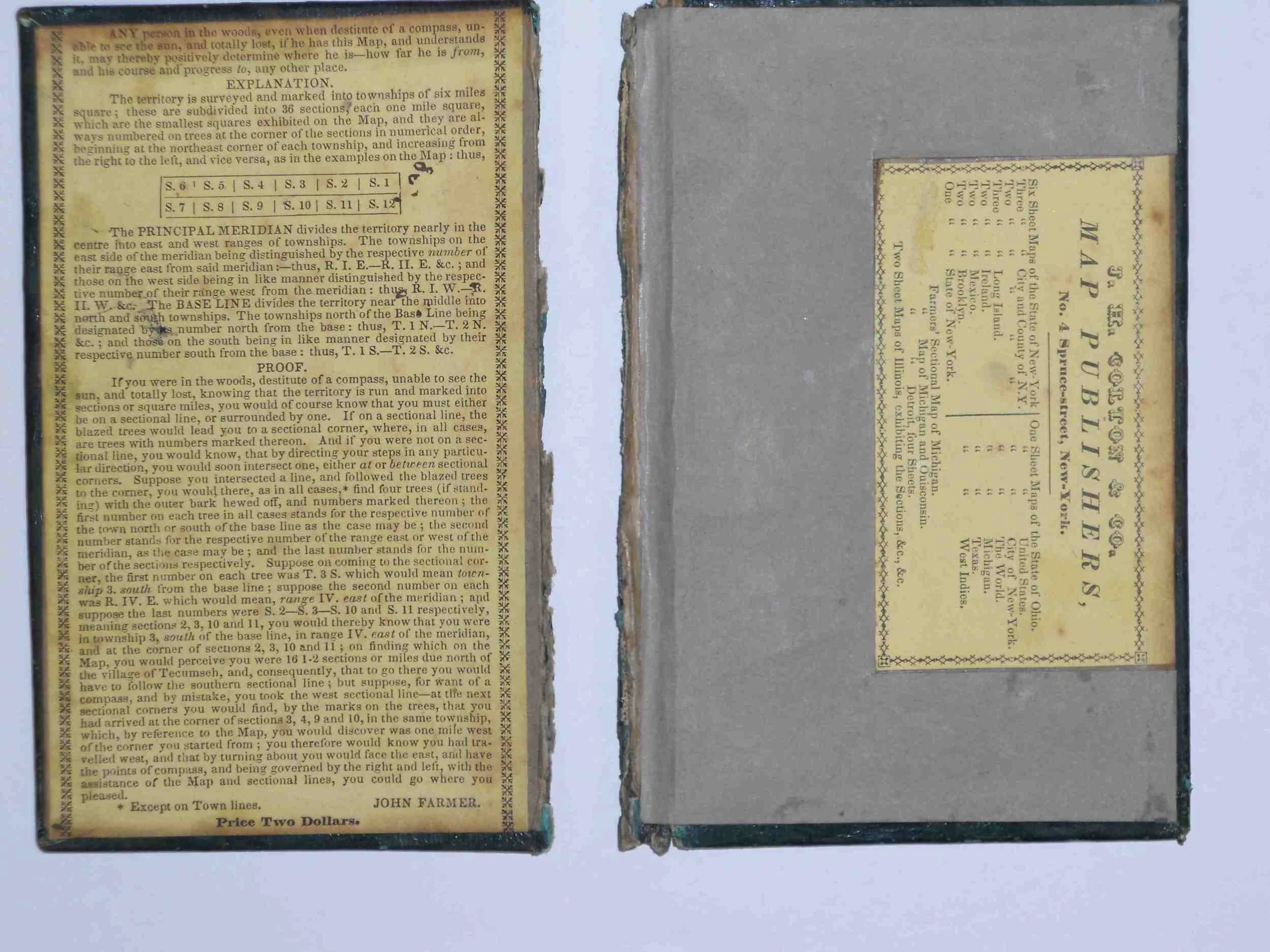
Sometimes an artwork is not merely an expression of the artist—rather, it is a legal document, or perhaps a blueprint, or even a map. At The Conservation Center, we enjoy coming across pieces that are not only beautiful, but also informative. This was just the case with a piece recently treated for Battle Creek-based private collector, Greg Allen. The said piece is by John Farmer (1798–1859), who is recognized for his cartography of early 19th century Michigan. What makes his maps so incredible is that they serve as primary sources of history for this region.
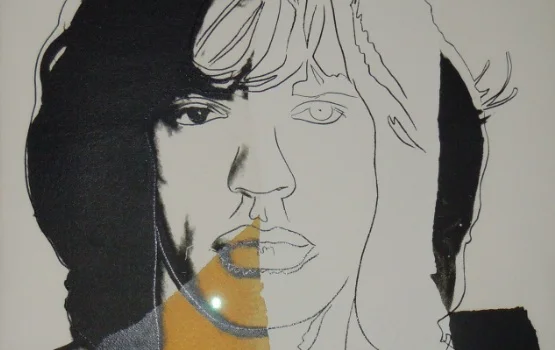
Paint It Mick, Andy: A Private Collector's Very First Acquisition
Sometimes in life, a piece of artwork takes you by surprise and before you know it, you can’t live without it. Such is the case for Mark, a private contemporary art collector in Chicago, who is also a friend of The Conservation Center. Mark began collecting art in the early 1980’s while living in New York City. He recently brought his very first acquisition from “way back when” to The Center to be reframed—and the piece Mark brought us has such a heartfelt story behind it we couldn’t resist sharing.
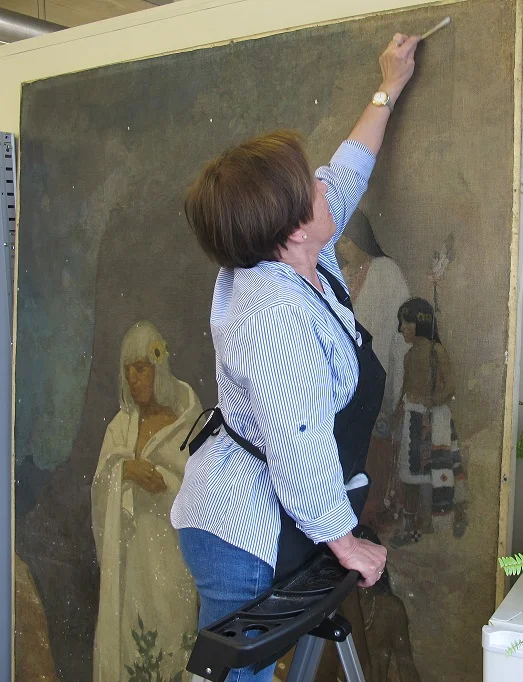
TCC Restores a Treasured Cliff Dwellers’ Painting
John Warner Norton, a charter member of The Cliff Dwellers, became one of the most accomplished and sought-after muralists in Chicago and across the United States by 1920. Earlier, however, in 1910 as Norton’s career and The Cliff Dwellers were both newly beginning, one of his first commissions titled "Navaho" became one of the private club’s earliest acquisitions of art. "Navaho" was recently conserved by The Conservation Center.
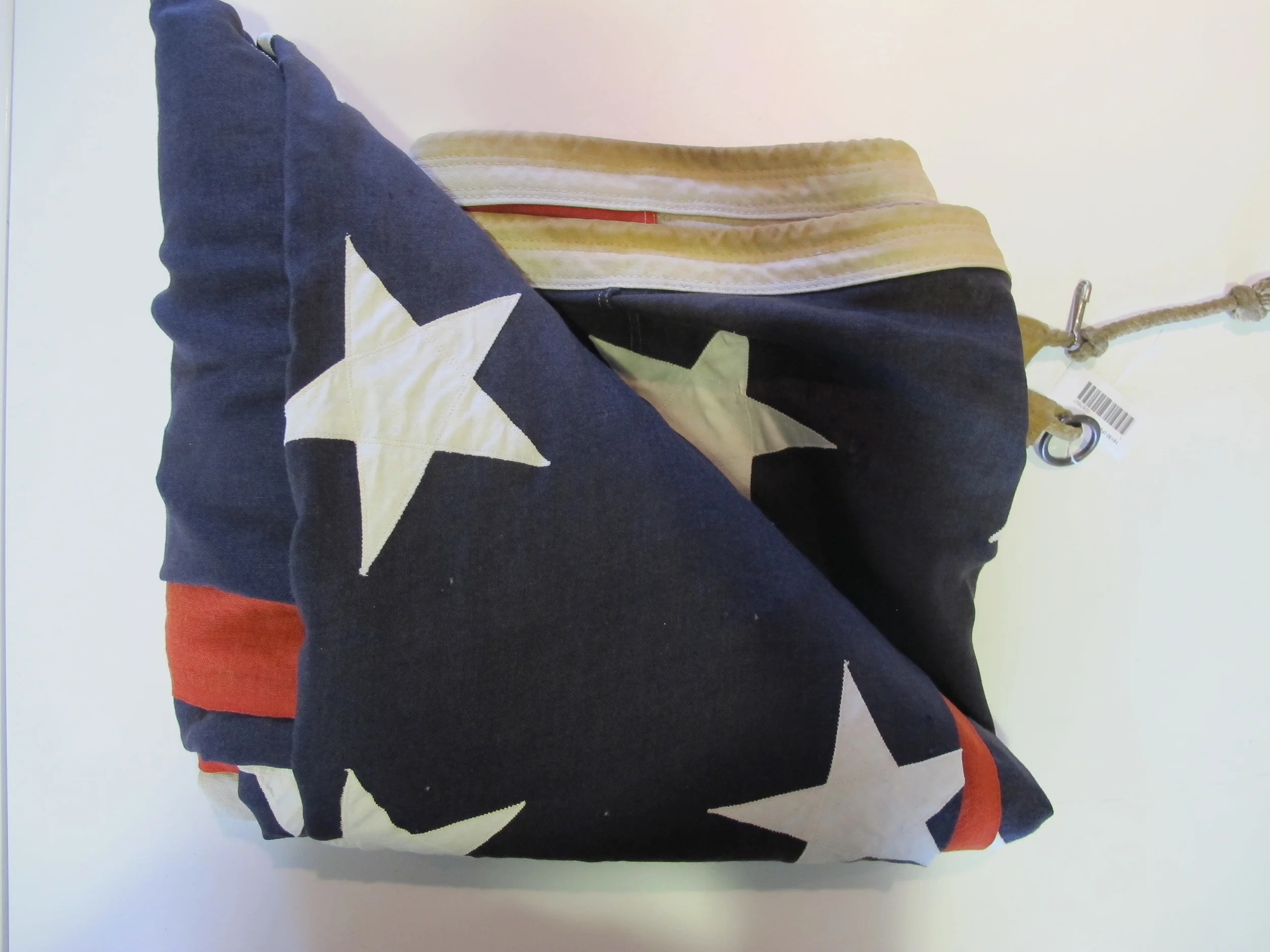
American Flag from the Fauerbach Brewery
At The Center, we treat items of great worth, historical artistic significance and shared cultural value. But perhaps some the most rewarding work we do is in preserving family heirlooms. These items very greatly from paintings to furniture and can be extremely valuable or purely sentimental, but all hold stories with meaning to the owners. We feel honored to assist families with preserving these items for future generations, and allowing their stories to carry on, and would like to share a recent story from one of our clients.
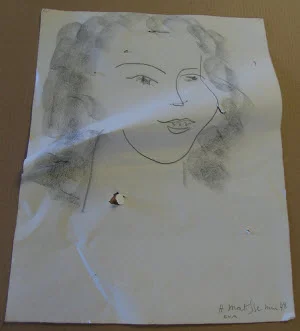
A Mangled Matisse
The Torah Mantle: Preserving a Cultural Treasure
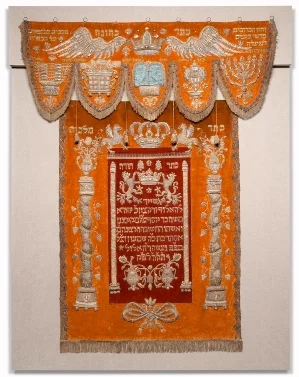
This drapery is known as “pruchat aron”, and is used to cover the sacred cabinet that houses the Temple’s Torah, in the form of a massive scroll. Along the upper section are the main symbols of First Temple: The Torah Crown; a pair of wings belonging to the “karuvim”, or angels, who were believed to overlook the sacrificial altar; a seven-light Menorah (as opposed to the eight-light Hanukkah Menorah); the robe worn by the great “cohen”, or priest, who would be commanding the Temple; the tablets with the Ten Commandments; and the sacrificial altar. Collectively, these symbolize the holiest of the elements pertaining to the Temple.
The Importance of Conservation Framing: The Basics and The Benefits of Archival Housing
When owners and caretakers of artwork want to properly house their treasured works, their collection may pass through The Center’s Custom Framing Department. Works on canvas, metal, wood, plastic and everything in-between are treated at The Chicago Conservation Center. Each work is individually assessed in order to determine the most appropriate type of housing, based upon the medium, the stability of the piece, the style and the client’s display concerns. A wide variety of housing options are available: traditional framing, custom mounts, and vitrines are the most common.